Author: DogsBlogSS Team
⚠️ Disclaimer: This article is for informational purposes only and is not a substitute for consulting a veterinarian.
otterhound
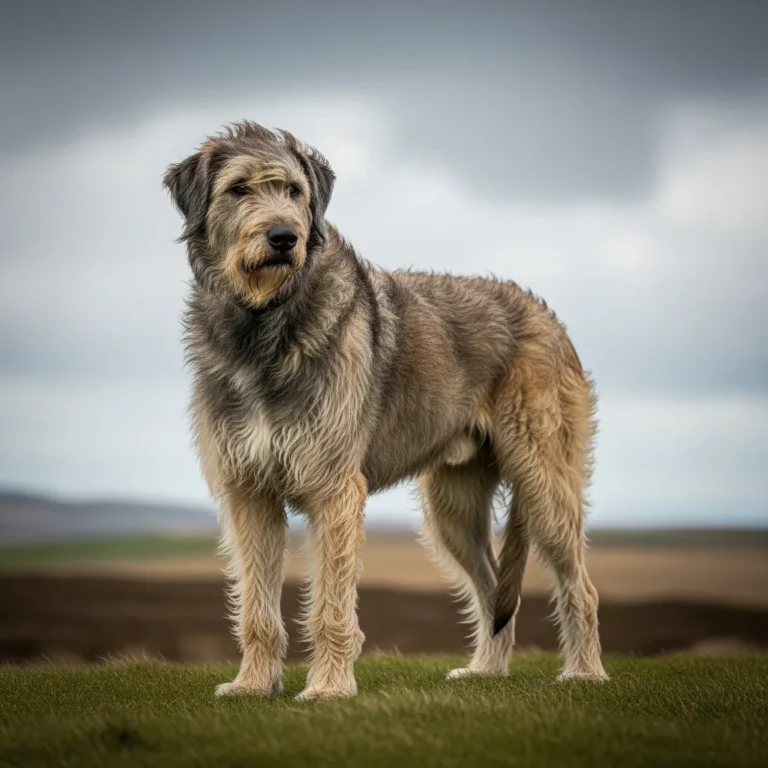
If you love big, shaggy dogs that arrive with personality and a past, meet the Otterhound. This is one of those breeds that makes people smile before it even takes two steps into the room: heavy-footed, beard dripping from its last swim, nose to the ground, and a voice that will make you do a double-take.
According to American Kennel Club, Once prized across medieval England for its uncanny ability to track otters through rivers and reed beds, the Otterhound today sits on a very short list of truly rare dog breeds — a living piece of history that needs careful, loving stewards to thrive in the modern world.
What is an Otterhound, and why are they considered so rare?
According to American Kennel Club, The Otterhound is a large English scent hound, built to follow scent across water and land. Distinctive traits include a rough, slightly oily double coat, webbed feet, and an extraordinary nose. Because their original job — hunting otters — was outlawed and because careful breeding populations have always been small, their numbers dwindled. Most breed authorities and recent coverage put the global population under a thousand animals, making them rarer than many wild species and placing them among the Kennel Club’s “Vulnerable Native Breeds.” If you’re considering one, understand that their rarity affects everything from puppy availability to veterinary expertise and long-term breed health programs.
What is the “Otterhound voice,” and is it true they make specific sounds?
According to The Spruce Pets,Yes — and you’ll know one when you hear it. Otterhounds are vocal hounds: they bay, they grunt, and many owners describe a deep, rumbling mutter or groan that’s been jokingly compared to Chewbacca from Star Wars. That low-register “talking” is part hound, part personality — charming to those who live with it, surprising to first-timers. Expect a wide vocal range, from “I found something!” baying out on a walk to the softer, affectionate gobble-grumbles at home.
Are Otterhounds hypoallergenic?
According to The Spruce Pets,No. Otterhounds have a shaggy double coat that sheds and traps dander. Their beard and undercoat can hold allergens, and even though they’re not heavy shedders in the sense of continuous fur-blizzard breeds, they are not a good match for people who need hypoallergenic dogs. Weekly grooming helps reduce loose hair and dander, but allergy sufferers should plan to spend time with an Otterhound before bringing one home.
Temperament & Personality
Otterhounds wear their hearts on their paws. They’re affectionate, often goofy, and delightfully earnest — the kind of dog that thinks you are the greatest person on Earth and is baffled if you ever disagree.
Are Otterhounds good family pets?
According to Otterhound University,Yes — in the right home. Otterhounds are famously affectionate and clownish; they thrive on human company and love children. Their size and sometimes clumsy play mean supervision with small children is wise, and their enthusiasm can accidentally knock over a toddler or bowl of cereal. Families who value a patient, playful giant and can provide space, routine, and training often find Otterhounds to be warm, loyal companions. Owners and breed clubs often share heartwarming stories of kids who grew up with Otterhounds as steadfast friends.
Can Otterhounds live with cats or other small animals?
According to puppies.co.uk,This depends on upbringing. Otterhounds are scent hounds with a hunting background and therefore a significant prey drive. If raised alongside cats and small animals from an early age, many Otterhounds will accept them as part of the pack. But if you bring one into a home with existing small pets, proceed cautiously: chasing instincts can be strong, especially if an interesting scent appears. Always supervise introductions and provide safe spaces for small animals.
Do Otterhounds suffer from separation anxiety?
According to PetMD,They can. Otterhounds are social, pack-oriented dogs that don’t relish prolonged solitude. Left alone for long stretches they may become vocal, destructive, or simply miserable. Rescue and breed experts often recommend either arranging for regular companionship (human or canine) or ensuring owners can commit to enrichment, training, and predictable routines to reduce anxiety. The Otterhound Club of America and similar groups advise that potential owners who work long hours think carefully about how the dog’s social needs will be met.
Are they aggressive or good guard dogs?
According to American Kennel Club,Short answer: not really. Their deep bay can sound imposing, but Otterhounds are generally too friendly to be effective guard dogs. They’ll alert you with a loud voice if something’s unusual, but they tend toward restraint and curiosity rather than aggression. Their loyalty is real; their temperament is usually welcoming, not defensive.
Care, Grooming & Lifestyle
Otterhounds bring character — and a handful of special-care considerations — to daily life. If you enjoy grooming, brisk walks, and the occasional dripping beard on your sofa, read on.
How much exercise does an Otterhound actually need?
According to The Spruce Pets, Despite their working heritage, Otterhounds don’t need marathon runs every day. They benefit from at least one solid walk and opportunities to sniff, explore, and exercise their nose. Many are quite relaxed indoors and will happily snooze after a good outing. The key is regular, structured exercise combined with mental stimulation: scent games, tracking, and puzzle toys work wonders. Because they can be excellent swimmers and great at tracking, safely managed off-leash time in a fully fenced area is a joy for them — but you must consider their tracking instincts (more on that below).
What are the challenges of grooming an Otterhound?
According to Otterhound University,Their coat is generally “wash-and-wear” rather than fashion-show perfect, but it does need attention. Otterhounds have a double coat that is slightly oily (it helps repel water), so frequent clipping isn’t recommended — it can remove the natural oils and damage the coat’s weatherproofing. Weekly brushing prevents matting, and occasional baths keep the coat healthy. Pay special attention to the beard, ears, and feathering on the legs because these areas matt and collect debris. Groomers and experienced owners emphasize gentle detangling, patient brushing, and careful ear checks since their heavy ears can trap moisture and promote infections. Resources like Otterhound University and professional groomers provide breed-specific washing and drying tips.
Is an Otterhound suitable for apartment living?
According to American Kennel Club, Generally no. Their size, baying, and need for sniffing space make them a poor fit for most apartment life. Some Otterhounds adapt to smaller living spaces if they receive ample outdoor exercise, firm training, and a quiet building, but in practice they thrive best in homes with yards and access to safe, enclosed areas for off-leash time. Their indoor energy levels can be moderate — many Otterhounds enjoy lounging — but their noise and occasional restlessness make them less than ideal in cramped, noise-sensitive settings.
Why are Otterhounds described as “messy” drinkers?
According to The Spruce Pets, That iconic wet beard is both adorable and inconvenient. Otterhounds tend to scoop water into their beards and shake it everywhere. They also may dribble after drinking or when their face gets damp from a swim. Consider placing absorbent mats, keeping a towel handy, and expecting a chuckle (and a mop) now and then. This is a small price for many owners who adore the breed’s character, but it’s worth noting for neatness-conscious households.
Training & Intelligence
Otterhounds are smart, curious, and sometimes stubborn — the blend that turns training into a series of persuasive conversations rather than instant obedience.
Are Otterhounds difficult to train?
According to Canine Chronicle,They can be. Think “independent thinker” rather than “willful troublemaker.” Otterhounds were bred to make decisions in the field; that stubbornness can look like selective hearing. Positive reinforcement (tasty treats, praise, play) works best. Short, consistent sessions and engaging their natural instincts (scent work, tracking games) help maintain motivation. Experienced breeders and long-time owners emphasize patience and creativity: when training taps into what the dog loves, progress follows more quickly. Breed clubs recommend beginning socialization and training early, and many suggest enrolling in scent-work classes because the activity feels natural and rewarding to the Otterhound.
Can I let my Otterhound off-leash?
According to The Spruce Pets, Be careful. Their nose is their command — when a scent looks promising, many Otterhounds go deaf to other cues. For safety, off-leash should be restricted to fully fenced areas or controlled trials. In some cases, longlines or supervised water work can give an outlet for natural behavior while keeping the dog safe. If you must let them explore on open land, invest heavily in recall training and scent-less distractions, but always assume the scent will win.
Health & Lifespan
Owning an Otterhound means partnering with a breed that is mostly healthy but carries a few specific risks. Knowing them ahead of time helps you prevent and respond to problems quickly.
What are the common health issues in Otterhounds?
According to PetMD and Pure Dog Talk :
Several conditions recur in breed health conversations:
- Hip and elbow dysplasia — common in many large breeds; X-rays and responsible breeding reduce incidence.
- Gastric dilation-volvulus (bloat) — a life-threatening twisting of the stomach; Otterhounds’ deep chests put them at risk, so owners practice risk-reducing feeding and exercise habits.
- Seizure disorders / epilepsy — occur in some lines and require veterinary management.
- Ear infections — their heavy, folded ears trap moisture; careful drying and exam after swims reduce problems.
- Weight and joint issues — because they’re large dogs, maintaining a healthy weight is crucial for joint longevity.
Breed clubs and veterinarians recommend pre-breeding health screens and routine checks. The Otterhound Club of America strongly encourages testing and the use of reproductive banks and coordinated breeding plans to preserve genetic diversity and reduce inherited disease. Notably, breeder and veterinarian Joellen Gregory, DVM, has worked with reproduction bank initiatives to protect the breed’s future, showing how coordinated veterinary and club efforts can make a difference.
What is the life expectancy of an Otterhound?
According to PetMD,Typical life expectancy ranges around 10–13 years, which is respectable for a large/giant breed. Lifespan depends on genetics, diet, preventive care, and how well weight and joint health are managed throughout life. Regular vet visits and early screening for breed-specific illnesses are essential to keeping an Otterhound healthy into its later years.
Do Otterhounds have special dietary requirements?
According to Showsight Magazine, No special brand is universally required, but there are important management tips: they often eat quickly (which raises bloat risk), so slow-feeding strategies and smaller, controlled meals are common recommendations. Weight management is crucial: heavy dogs are more likely to develop hip dysplasia and other joint issues. Talk with your veterinarian about calorie density, joint supplements (when appropriate), and feeding schedules that reduce bloat risk (no vigorous exercise immediately before or after meals).
Adoption & Finding a Puppy
Because there are so few Otterhounds, finding a puppy takes patience and often travel — and it’s a process that benefits from working closely with reputable breeders and breed clubs.
Why is it so hard to find an Otterhound puppy?
According to Country Life, A small gene pool and a small number of litters per year make Otterhound puppies rare. Ethical breeders perform thorough health testing, extended socialization, and careful placement — and because the breed is protected by dedicated clubs and reproduction banks, breeding is typically slow, selective, and focused on preserving long-term health rather than producing large numbers. That means waiting lists, geographic limitations, and a higher per-puppy price. Breed clubs also advise caution with anyone offering “instant availability”; reputable stewardship rarely results in many immediate litters.
How much does an Otterhound puppy typically cost?
According to good dog, Prices vary dramatically by region and breeder investment in health testing, but you should expect Otterhound puppies to cost significantly more than many popular breeds because of rarity and the expense of responsible breeding. Recent listings and breed guides commonly show ranges around $1,500–$4,000 or more in many countries; some sources give national averages near $2,650–$3,000 where available. Always prioritize health-tested, ethical breeders or rescues over low-cost ads.
Experts, Clubs, and Further Reading
If you want to go deeper, look up the organizations and experts who work day-to-day with these dogs:
- American Kennel Club (AKC) — breed profile and stewardship resources.
- Otterhound Club of America (OHCA) — breed club resources, health programs, reproduction bank work, and breeder referrals. Joellen Gregory, DVM, has been active in reproduction/banking efforts.
- The Kennel Club (UK) and breed-focused outlets like Country Life — excellent background about the Otterhound’s history and current “vulnerable” status.
- PetMD, WebMD, The Spruce Pets — practical care and health articles written for owners and prospective owners.
If you’re serious about owning one: join a national or regional Otterhound club, visit meet-ups, talk with breeders and owners, and — if possible — spend time with the breed before committing. Their rarity means experienced owners are eager to share knowledge, and breed clubs are often the best route to responsible ownership.
Final thoughts (and a little story)
I once met an Otterhound named Maggie at a breed gathering who arrived smelling like the river, beard full of reeds and face beaming. She proceeded to “speak” to every stranger, charm two toddlers, and take a long, serious sniff at a stroller wheel before deciding it passed muster. She collapsed like a small mountain on my feet and let out a contented grunt. That scene — equal parts odd, affectionate, and ancient — is the this distilled: a working-dog history worn like a comfortable coat, and a personality so immediate you can’t help but fall for it.
If you want a dog with character, patience for messes, and devotion to match, and you have the space, time, and heart, this dog might be the rare treasure that fits your life. If you’re still unsure, talk to the Otterhound Club of America or your country’s kennel club — the people who love these dogs will give you the straight, warm advice you need.
Notice : The DogsBlogSS editorial team is dedicated to providing accurate, research-based information about dog health, behavior, and care. All our articles are fact-checked using trusted veterinary sources such as VCA Hospitals, Merck Vet Manual, and the AKC.
you may like it