Author: DogsBlogSS Team
⚠️ Disclaimer: This article is for informational purposes only and is not a substitute for consulting a veterinarian.
lepto vaccine for dogs
If you’ve ever wondered whether your dog really needs the lepto vaccine — or worried about possible side effects — you’re not alone. It’s a big decision for any pet owner, and there’s a lot of information out there, sometimes conflicting. I remember when I first learned about Leptospirosis: it sounded scary — a disease linked to contaminated water, rodents, and even bacteria your dog could shed and pass on.
According to American Kennel Club, But then I read that major veterinary organizations have recently changed their stance, calling the lepto vaccine a “core” shot rather than optional.
What follows is a friendly, honest, and detailed look at the lepto vaccine for dogs — why it matters, when it helps (or may not), what risks exist, how effective it is, and how to plan around it. My hope is that by the end, you’ll feel equipped to talk with your vet and make the decision that feels right for your dog’s health (and your peace of mind).
what is the lepto vaccine for dogs
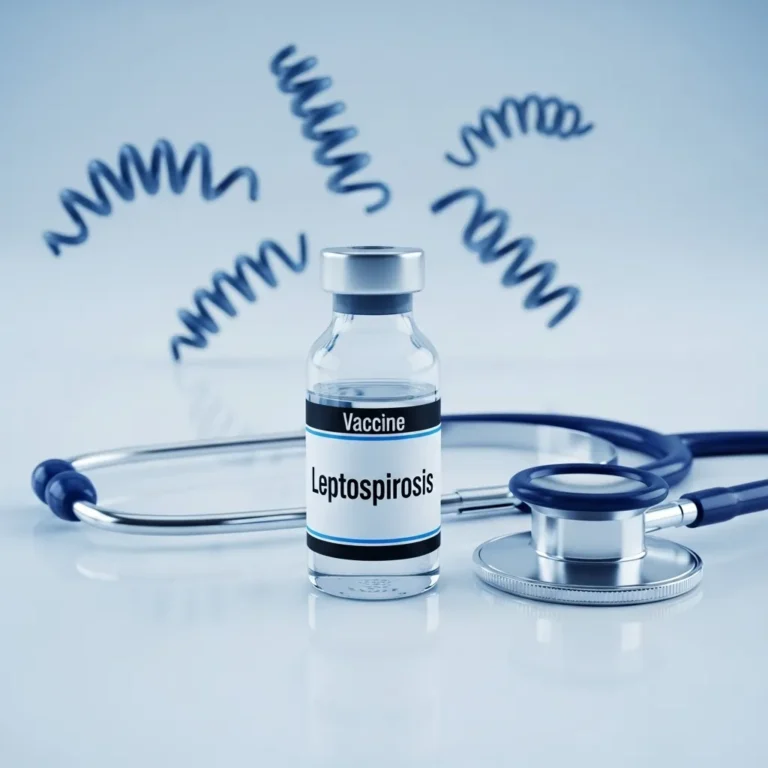
The leptospirosis vaccine protects dogs against a serious bacterial infection caused by Leptospira, typically found in soil and water contaminated by wildlife urine.
It helps prevent severe, potentially fatal symptoms like kidney and liver failure, while also reducing the risk of the dog spreading this zoonotic disease to humans.
Although considered a non-core vaccine, it is highly recommended for dogs that swim, hike, or live in areas with high rodent or wildlife activity.
Necessity & Risk Assessment
Is the leptospirosis vaccine considered a “core” (mandatory) vaccine for all dogs?
According to American Animal Hospital Association,For decades, the lepto vaccine wasn’t considered “core” — it was more of a lifestyle-based, optional shot. But that has changed recently. The American Animal Hospital Association (AAHA), following an updated consensus from the American College of Veterinary Internal Medicine (ACVIM), now recommends that the lepto vaccine be offered to all dogs.
According to American Animal Hospital Association ,task force, “any dog that goes outdoors, whether in an urban or rural setting, can be exposed to leptospirosis.”
,However, there is still some nuance. The World Small Animal Veterinary Association (WSAVA) recommends the vaccine be “core” only in regions where leptospirosis is endemic or where serogroups are known and suitable vaccines available.
So — in short — in many regions, including those with rising rates of leptospiral disease, veterinarians now consider the lepto vaccine “core.” But depending on where you live and your dog’s lifestyle, it may still be considered optional in some practices.
Is the lepto vaccine necessary for dogs that live in the city or strictly indoors?
Yes — and that’s a key shift in thinking. Even dogs living in strict urban settings or mostly indoors are now considered potentially at risk. As American Animal Hospital Association notes, exposure can happen in any urban, suburban or rural environment.
Why? Because leptospirosis isn’t just a rural or “swamp disease.” Rodents (rats, mice) in cities — or even contaminated soil or puddles — can harbor Leptospira bacteria. And urban dogs, even if they don’t swim or hike, might still encounter risk through small exposures: sniffing around, walking near alleyways, contact with puddles, or being in areas where rodents roam.
Thus, many experts now advise that living in a city or being mostly indoors doesn’t guarantee safety: the environment can still pose a hidden threat.
What are the risk factors that make a dog a high candidate for the lepto vaccine?
Some factors clearly push a dog into the “high-risk” category — though they’re less exclusive now that broader recommendations exist. According to the vaccination guidelines and epidemiological data, dogs are more at risk if they:
- According to American Animal Hospital Association,Spend time outdoors: walking in parks, exploring yards, hiking, swimming or drinking from lakes, ponds or puddles.
- According to American Animal Hospital Association, Live in — or visit — environments with rodents or wildlife (rats, raccoons, mice, etc.) that may carry leptospira in their urine.
- According to American Animal Hospital Association Go to boarding kennels, dog daycares, dog parks — any place where many dogs come together or roam outside.
- According to World Small Animal Veterinary Association,Travel to or live in regions endemic for leptospirosis — including areas where water sources, wildlife, or climate support leptospira survival.
According to American Animal Hospital Association, That said, because of how widespread risk has become, many vets now argue that all dogs — regardless of lifestyle — could benefit from the vaccine.
Can humans catch leptospirosis from their dogs, and does the vaccine prevent this transmission?
According to Hemopet ,Leptospirosis is considered a zoonotic disease. That means it can jump from animals to humans under certain conditions.
According to American Animal Hospital Association,While direct dog-to-human transmission is not always documented, unvaccinated dogs infected with leptospira can shed the bacteria in their urine for some time — potentially exposing humans (especially children, people with weakened immune systems, or those with regular contact to pet urine) to contamination.
According to American Animal Hospital Association Newer vaccines have been shown to dramatically reduce or prevent renal carriage and urinary shedding of leptospira in exposed dogs — which in turn lowers the risk of zoonotic transmission.
So yes: by vaccinating your dog you’re not only helping protect him, but you’re also reducing the chance that he could become a source of infection for humans — even if indirectly. That makes the vaccine a safeguard for both pet and family.
How is leptospirosis transmitted to dogs in the first place?
According to American Kennel Club, Understanding the transmission helps clarify why the vaccine might matter even for a mostly indoor dog. The bacteria (Leptospira) live in the kidneys of infected animals — often rodents, raccoons, or wildlife — and are shed in their urine. Once the environment (water, soil, grass, puddles) becomes contaminated, any dog coming into contact — drinking, swimming, sniffing, or even walking through damp soil — could be exposed.
According to American Animal Hospital Association,That’s why leptospirosis can strike in unexpected places: urban alleyways, city parks, or areas you wouldn’t necessarily consider “risky.” As one of the experts behind the updated ACVIM guidelines put it, dogs of any size, breed, or lifestyle can be at risk.
lepto vaccine for dogs side effects & Safety
One of the biggest reasons owners hesitate — or delay — the lepto vaccine is concern about safety. So it’s worth digging into what experts actually say about side effects and risks.
What are the most common side effects of the leptospirosis vaccine in dogs?
The good news: the newer leptospirosis vaccines are much improved compared to older versions. According to the 2022 American Animal Hospital Association guidelines, adverse reactions appear to be rare — fewer than 53 adverse events per 10,000 doses.
According to Daily Paws, When side effects do occur, they tend to be mild and short-lived: soreness or swelling at the injection site, slight lethargy, maybe reduced appetite — similar to what you might expect after any routine vaccine.
According to Natchez Trace Veterinary Services,In many cases, pet owners barely notice anything beyond a bit of soreness or mild tiredness.
Is it true that small breed dogs (e.g., Chihuahuas, Dachshunds) have a higher risk of reaction to the lepto shot?
According to American Animal Hospital Association,Some older concerns and anecdotal reports suggested small or toy breeds might be more prone to adverse reactions — often because they tended to be unvaccinated or had more noticeable responses.
Indeed, the American Animal Hospital Association guidelines mention that “adverse reactions of any type are more likely in smaller and younger dogs.”
According to American Animal Hospital Association,That said, “more likely” does not mean “common.” Even in small dogs, serious reactions remain rare. Many vets now say the risk is no greater than other common vaccines when properly administered.
How long do side effects typically last after the injection?
According to Natchez Trace Veterinary Services,In most cases, side effects — if they occur at all — are short-lived. Localized soreness may last a day or two; mild lethargy or reduced appetite might resolve within 24–48 hours.
According to American Animal Hospital Association,That said, dogs (especially those with sensitivity to injections) may react a bit more noticeably: some pet parents report 12–24 hours of discomfort. But longer-lasting or serious reactions are rare.
What are the signs of a severe allergic reaction (anaphylaxis) that I should watch for?
According to American Kennel Club,Severe allergic reactions are uncommon — but when they happen, they can be serious. According to older concerns and some clinic reports, signs may include: swelling of the face or head, hives, difficulty breathing, collapse or fainting, vomiting or diarrhea, and possibly shock.
According to American Animal Hospital Association,Because of this (albeit rare) risk, some vets recommend administering the lepto vaccine separately from other vaccines, especially in young or small dogs, and monitoring the pet for several hours after injection.
If your dog shows any rapid swelling, difficulty breathing, extreme weakness or collapse after a vaccine — you should seek veterinary care immediately.
Effectiveness & Coverage
Vaccines do a lot for animal health — but it’s important to be clear about what they can and cannot do. The lepto vaccinations for dogs is no exception.
Does the vaccine provide 100% immunity against leptospirosis?
According to Natchez Trace Veterinary Services,No — the lepto vaccine does not guarantee 100% immunity. Even vaccinated dogs can sometimes contract the disease.
According to PubMed, a recent systematic review and meta-analysis, commercially available lepto vaccines reduce the relative risk of clinical disease to about 84% compared to unvaccinated dogs, and reduce the risk of renal carrier status (shedding) to about 88%.
So while the vaccine dramatically lowers the chances of severe disease and reduces shedding risk, it doesn’t eliminate it altogether. That’s why responsible pet owners — even with vaccinated dogs — should continue to take precautions: avoid letting dogs drink from puddles or contaminated water, control rodent exposure, and keep environments clean.
Which strains (serovars) of the bacteria does the vaccine cover?
According to American Kennel Club ,Most modern vaccines are designed to cover the four most common serovars: Canicola, Icterohaemorrhagiae, Grippotyphosa, and Pomona.
According to World Small Animal Veterinary Association,Some formulations extend coverage to include serogroups such as Australis, Bratislava, or Autumnalis, depending on the region and the manufacturer.
According to Natchez Trace Veterinary Services,Because there are over 250 known serovars globally, and new ones identified over time, even a “broad” vaccine doesn’t cover all possible variants. That’s why the effectiveness isn’t perfect, and why outbreaks — though less frequent — can still occur.
Can a vaccinated dog still become a carrier or shed the bacteria?
According to National Institutes of Health (.gov),Yes — though much less likely. The meta-analysis mentioned earlier found that vaccinated dogs had an 88% lower risk of becoming renal carriers and shedding leptospira.
According to American Animal Hospital Association,Still, because no vaccine offers total protection, there remains a residual risk. That’s why vets recommend supplementing vaccination with environmental and hygiene measures: cleaning up after pets, avoiding contact with potentially contaminated water or soil, and controlling rodent populations.
For complete protection of both dogs and humans — especially in areas where leptospirosis is known to be present — vaccination is a cornerstone, but not the only line of defense.
Schedule & Logistics
If you decide to go ahead with the lepto vaccine, it helps to know when to start, how often to boost, and what to do if you miss a dose.
At what age can a puppy receive their first lepto vaccination?
According to American Animal Hospital Association the updated guidelines by AAHA/ACVIM, the first leptospirosis vaccination should be given at 12 weeks of age or older.
According to Hemopet , Some other sources (especially outside North America) may allow vaccination at a younger age (e.g. 8 weeks), but many experts caution: the immune system of very young puppies may respond unpredictably, and adverse reactions may be more common.
Because of this, most veterinarians recommend waiting until at least 12 weeks before starting lepto vaccination.
What is the recommended schedule for the initial series and subsequent boosters?
The standard schedule (per AAHA / veterinary consensus) is:
- According to American Kennel Club,Two initial doses (the “prime” series), given 2–4 weeks apart.
- According to American Animal Hospital Association,Then, annual boosters to maintain immunity.
Because leptospira exposure risk remains over time, and immunity tends to wane, yearly vaccination helps ensure steady protection.
How long does immunity last? Is an annual booster really necessary?
According to National Institutes of Health (.gov),Yes — annual boosters are generally considered necessary. Though serologic (antibody) levels may decrease after several months, protection against clinical disease and bacterial shedding appears to last roughly one year under real-world conditions.
According to World Small Animal Veterinary Association,Some studies have even found evidence of protection up to 15 months under experimental conditions.
Still, because immunity can wane, and environmental exposure persists (especially in areas where leptospira is endemic), veterinarians almost universally recommend annual boosters.
What happens if my dog misses a booster shot? Do we have to restart the series?
This is a good question, and the answer depends on how long it’s been since the last shot. Because leptospira immunity fades, missing a booster could leave your dog vulnerable again. Many vets recommend giving the booster as soon as possible, but if a long time has passed — especially over a year — some may advise starting the vaccine series anew (i.e., two doses, spaced properly).
That said, practices vary: some vets may give a single booster even after a lapse, while others may repeat the two-dose protocol — especially if the dog’s risk factors (outdoors, travel, rodent exposure) are high. In any case, if you miss a booster, talk to your vet straight away to reevaluate the schedule based on your dog’s circumstances.
Cost & Value
Finally — the practical side. Let’s talk money and whether it’s “worth it.”
What is the average cost of the leptospirosis vaccine for dogs?
The cost of the lepto vaccine varies depending on the region, the veterinary clinic, and whether it’s given alone or bundled. In many clinics in the U.S., the lepto vaccine might run anywhere between US $20 to $50 per dose, though prices can be higher if administered alongside other services or in combination with a wellness exam.
If you live outside the U.S. — perhaps in Europe, Africa, or elsewhere — cost might differ significantly. It’s always best to contact local clinics or hospitals for exact pricing. What matters more than the number is comparing price with the value: avoiding a potentially life-threatening disease — and possibly preventing zoonotic risk.
Is the lepto vaccine usually bundled with other shots (like DHPP)?
Sometimes — yes. Many clinics include lepto along with the standard core vaccines (such as those for distemper, parvovirus, adenovirus, etc.) or offer “well-pet” packages. Especially in puppy vaccination series, vets may administer multiple shots in one visit.
According to American Animal Hospital Association,That said, because of historic concerns about adverse reactions (when too many vaccines are given at once), some veterinarians recommend giving the lepto vaccine alone or on a separate day — particularly for small or sensitive dogs.
For some owners, separate administration feels safer, and some vets will accommodate that — though it may add a little more cost (more visits) or scheduling complexity.
Expert Voices: What Veterinarians and Researchers Are Saying
One of the most influential voices in the recent shift is the American Animal Hospital Association task force, including veterinarians like John Ellis, DVM, PhD (University of Saskatchewan) and colleagues. As Dr. Ellis explained, “Any dog that goes outdoors, whether in an urban or a rural setting, can be exposed to leptospirosis.” That alone makes previously held assumptions — that only rural, outdoor dogs are at risk — outdated.
According to National Institutes of Health (.gov),In a meta-analysis published in veterinary research literature, authors concluded that vaccinated dogs had an 84% lower risk of developing clinical leptospirosis and an 88% lower risk of becoming renal carriers — clear evidence of strong protection, though not absolute.
According to Natchez Trace Veterinary Services,On the other hand, some practitioners — for example in integrative or holistic practices — remain more cautious. As one integrative veterinarian recently wrote, because there are more than 250 known serovars of leptospira worldwide, and current vaccines cover only a few, they believe vaccination should depend on individual risk rather than be “one-size-fits-all.”
A fair approach may be this: treat vaccination as a very important tool — perhaps the most effective tool we have against leptospirosis — but also be thoughtful about environment, risk, and dog-specific factors. Combine vaccination with sensible hygiene and environmental precautions, and you get the best protection for your pet and your family.
Real-Life Considerations: Is It Right for Your Dog?
Maybe you’re thinking: “But my dog hardly ever goes outside — she’s mostly indoors.” Or “He’s a little toy breed — I don’t want to risk it.” Or even “We don’t have lakes or swamps nearby.” Totally fair. The truth is, there’s no one-size-fits-all answer.
Here’s how I suggest you think through the decision:
- Assess your environment and lifestyle. Do you live in a city with known rodent problems? Do you walk your dog in parks, allow her to drink from puddles, or travel regularly? Do you board her in kennels or doggie daycares?
- Consider human and family risk. Do you have kids, elderly people, or immunocompromised family members who might be more vulnerable to zoonotic disease?
- Weigh benefits vs. risks. The lepto vaccine significantly reduces chances of serious disease and urinary shedding — but doesn’t eliminate them entirely. Side-effects are rare, usually mild. For many dogs, the benefit far outweighs the small risk.
- Plan with your vet. A good vet will help you tailor a schedule: maybe giving the lepto shot separately, or at certain times, depending on your dog’s size, age, and predispositions.
- Maintain preventive practices. Vaccination is one line of defense — but you still want to reduce exposure: avoid stagnant water, control rodents, keep urine from dogs off shared surfaces, and practice good hygiene if cleaning up after your pet.
In my view — and in the view of many veterinary experts — for most dogs today, the lepto vaccine is a wise choice. It’s no longer just for “outdoor adventurers.” In an increasingly interconnected, mobile world — with climate change, urban rodent pressures, and shifting wildlife habits — no dog is entirely insulated from risk.
Conclusion: The Lepto Vaccine — A Modern Safeguard, Worth Serious Consideration
According to American Animal Hospital Association,If there’s one big takeaway I hope you get from this, it’s this: The lepto vaccine for dogs matters — maybe more than many of us realized. Thanks to rising incidence of leptospirosis, broader environmental exposure, and improved vaccine safety, many experts now agree that it should be considered core — not optional.
Yes, the vaccine isn’t perfect. No vaccine is. It doesn’t cover every possible strain, and it doesn’t guarantee immunity 100%. But it greatly reduces the risk of serious disease or lifelong carrier status. For dog owners who care about their pets and want to protect loved ones (human or animal), that’s a powerful reason to get on board.
At the end of the day, the decision is between you, your dog, and your vet. But if I were you and I had a dog — indoor or outdoor, city or countryside — I’d seriously consider making the lepto vaccine part of her regular care. Because when it comes to preventing something as scary (and as preventable) as leptospirosis — a little “prevention now” could save a lot of worry (and heartbreak) later.
Notice : The DogsBlogSS editorial team is dedicated to providing accurate, research-based information about dog health, behavior, and care. All our articles are fact-checked using trusted veterinary sources such as VCA Hospitals, Merck Vet Manual, and the AKC.
you may like it