
Author: DogsBlogSS Team
⚠️ Disclaimer: This article is for informational purposes only and is not a substitute for consulting a veterinarian.
lassie dog
For many people, the very mention of the name Lassie brings back warm images of loyalty, courage, and a gentle dog racing across the countryside to save the day. The famous TV canine became a global symbol of devotion, inspiring millions to fall in love with the majestic Rough Collie—a breed often lovingly referred to as the “Lassie dog.” But behind the Hollywood glow lies a remarkable, real-life breed known for its intelligence, sensitivity, and heart.
Whether you’re researching the breed because you adore the Lassie movies, or you’re thinking of welcoming a Rough Collie into your home, understanding this dog deeply is the first step toward building a great life together. Below, you’ll find everything you need to know—from breed identity and temperament to grooming, health, training, and realistic costs. Expert insights, veterinary guidance, and direct links to reputable sources are included throughout the article.
What specific breed of dog is Lassie?
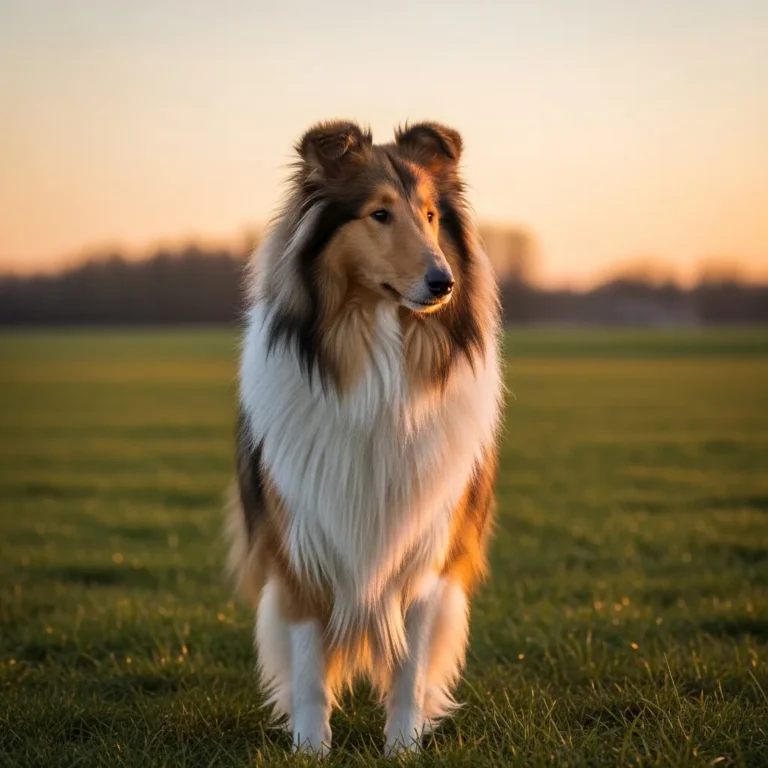
Lassie is famously portrayed by the Rough Collie, a breed known for its flowing coat, expressive almond-shaped eyes, and gentle temperament. Despite often being confused with a few other herding breeds, the Lassie dog has its own distinct identity.
Rough Collies vs. Border Collies vs. Shelties
Rough Collies
The classic “Lassie dog.”
Elegant, long-coated, sensitive, and family-oriented. Rough Collies are medium-large dogs (50–75 lbs) bred historically for herding sheep in Scotland.
Border Collies
A different, far more intense herding breed known for its sky-high intelligence and boundless energy. Border Collies are smaller, whipped with agility, and often the stars of competitive obedience and agility sports.
Shetland Sheepdogs (Shelties)
Often mistaken for “mini Lassies,” Shelties only resemble Rough Collies. They are smaller (15–25 lbs), but genetically distinct. Though smart and vocal, their temperament leans toward being more alert and flighty than the calm Rough Collie.
For more breed info, visit The American Kennel Club (AKC):
Was the original Lassie a boy or a girl?
Although the character Lassie is female, nearly every dog portraying her on TV and in films was actually male.
The very first Lassie, “Pal,” was a male Rough Collie trained by renowned Hollywood dog trainer Rudd Weatherwax. Pal was so exceptional in intelligence and emotional expression that he became the foundation for generations of Lassie actors.
Why were male dogs chosen to play the female role of Lassie?
Male Rough Collies were selected mainly for practical filming reasons:
- Heavier, fuller coats—especially important for dramatic camera shots
- Larger size, which looked more striking alongside child actors
- More consistent seasonal appearance (female coats fluctuate during heat cycles)
- More predictable temperament for long workdays
Hollywood needed a dog who looked majestic on-screen all year long—and male Rough Collies fit the bill beautifully.
Are “Lassie dogs” (Rough Collies) really as intelligent as the movies suggest?
Yes—though not always in the way people think.
Pet behavior specialist Dr. Stanley Coren, author of The Intelligence of Dogs, ranks Collies among the top 20 smartest breeds. Their intelligence comes in the form of:
- High emotional sensitivity
- Strong problem-solving skills
- Fast learning with gentle guidance
- Deep desire to bond closely with their families
They may not be as intense or high-energy as Border Collies, but they excel in companionship, obedience, and emotional awareness.
Temperament & Personality (Is this the right dog for me?)
A Rough Collie’s temperament is often described as sweet-natured, loyal, and deeply family-oriented. They thrive in homes that value kindness, routine, and companionship.
Are Rough Collies good family dogs?
Exceptionally so.
Ask any Collie owner, and you’ll hear the same thing: this breed is incredible with children. Their gentle instincts and natural desire to protect make them ideal for families.
According to dog behaviorist Ian Dunbar, herding breeds with stable temperaments—like Rough Collies—tend to display excellent patience and adaptability around kids.
Collies often:
- Watch over young children
- Stay close without being clingy
- Show empathy when someone is upset
- Rarely act aggressively
Do they bark a lot?
Yes, Collies are vocal by nature.
This breed was designed to alert shepherds to anything unusual, so barking is instinctive. Many owners describe them as:
- Quick to bark at strangers
- Loud during play
- Commentators on everything happening around them
With training, excessive barking can be greatly reduced. Consistency and calm reinforcement work best.
Are they affectionate or independent?
Affectionate—very affectionate.
Rough Collies are often called “Velcro dogs” because they like staying close. They don’t necessarily cling, but they want to keep you in sight.
They love:
- Laying at your feet
- Following you from room to room
- Offering gentle nudges or leaning into you
- Being involved in whatever you’re doing
If you want a dog who enjoys companionship without demanding constant attention, this breed is a perfect match.
Do Rough Collies have high energy levels, or are they calm indoors?
Great news: both.
A traditional Collie enjoys:
- A long daily walk
- A bit of playtime
- Mental enrichment (toys, puzzles, training sessions)
But inside the home, they’re surprisingly calm and relaxed. They adore lounging with the family and rarely act hyper indoors.
Can a Rough Collie live in an apartment?
Yes—if you meet their exercise and mental needs.
They’re calm, clean, and sensitive to indoor environments. The key requirements are:
- Daily exercise
- Access to outdoor potty breaks
- Regular grooming
- Mental stimulation
Because they don’t have the frantic drive of a Border Collie, they adapt better than many people expect.
Coat Care & Shedding (The “High Maintenance” Factor)
A Rough Collie’s glorious coat is one of its most beautiful features—and one of its biggest responsibilities.
Do Rough Collies shed heavily?
Yes, especially during “coat blow.”
Twice a year, Collies undergo heavy shedding where the undercoat comes out in clumps. For the rest of the year, shedding is moderate.
As groomer Lisa Leady, award-winning expert, puts it:
“A Collie doesn’t shed—you brush off the shed.”
How often do I need to brush a Rough Collie?
Two to three times per week is ideal.
Focus on:
- Behind the ears
- Under the elbows
- Feathering on the legs
- The long “pants” on the back thighs
- Collar and chest ruff
Without regular brushing, mats form quickly.
Is it true that you should never shave a Rough Collie?
Correct—never shave the double coat.
According to American Kennel Club:
A Collie’s double coat protects against:
- Heat
- Cold
- Sunburn
- Insects
- Skin infections
Shaving damages coat growth and disrupts temperature regulation.
What is “spay coat,” and how does it change grooming needs?
After spaying or neutering, hormone changes can cause the coat to become:
- Fluffier
- Softer
- More prone to matting
- Thicker in texture
Owners often notice they need to brush more frequently to prevent tangles.
Health & Genetics (Critical Owner Knowledge)
Rough Collies are generally healthy, but they have some breed-specific risks that every owner must understand.
What is the MDR1 gene mutation, and why is it dangerous for Collies?
According to Washington State University:
The MDR1 mutation makes Collies extremely sensitive to certain medications—common ones like ivermectin or loperamide.
Dogs with MDR1 may suffer severe neurological reactions.
According to the Washington State University Veterinary Clinical Pharmacology Lab, Collies have one of the highest mutation rates of any breed. Testing is easy and highly recommended.
What is Collie Eye Anomaly (CEA)?
According to petMD, CEA is a hereditary eye condition that can affect vision. Responsible breeders test for it, and many lines today are clear or mild.
Do Rough Collies have sensitive stomachs?
According to petmd and Rough Collie Breed Council and dognutrition:
Yes. They often show:
- Mild food intolerances
- Gas
- Soft stools
A predictable, high-quality diet usually solves the issue. Many owners prefer limited-ingredient diets or avoid chicken-based foods.
Training & Behavior Challenges
Rough Collies are fast learners, but they require a gentle approach.
Are Rough Collies difficult to train?
No—unless training is harsh.
They are sensitive, highly emotional dogs. Loud voices or punishment-based training can shut them down.
According to professional trainer Victoria Stilwell, sensitive herding breeds respond best to:
- Positive reinforcement
- Clear routines
- Soft verbal correction
- Praise-based motivation
How do I stop my Collie from herding children or nipping at heels?
This behavior comes from instinct, not aggression. Redirect by:
- Teaching “leave it” and “come”
- Offering toys during excited moments
- Avoiding games that trigger chasing
- Encouraging calm indoor activity
Puppy training classes help tremendously.
Why is my Collie so sensitive to loud noises?
According to pdsa and The Good Kennel Guide and collieconsultant:
Collies are naturally sound-sensitive. Thunder, fireworks, and vacuums often overwhelm them.
Solutions include:
- Sound desensitization
- Calming supplements (vet approved)
- A quiet safe space in the home
- White noise machines
Cost & Acquisition
Having a lassie dog breed is a meaningful investment of both money and time.
How much does a Rough Collie puppy cost?

According to Wyndlair Collies and nahf:
$1,200 to $2,500 USD
Prices vary based on pedigree, testing, breeder reputation, and location.
Are there specific rescue organizations for Collies?
Yes—many wonderful Collies need loving homes.
Some trusted rescue groups include:
- Collie Rescue Foundation: https://www.collierescuefoundation.org/
- Collie Rescue League of America: https://www.collierescueleague.org/
- Local Collie clubs via AKC directory
Adopting is a beautiful way to offer a second chance to this sensitive, loyal breed.
Notice : The DogsBlogSS editorial team is dedicated to providing accurate, research-based information about dog health, behavior, and care. All our articles are fact-checked using trusted veterinary sources such as VCA Hospitals, Merck Vet Manual, and the AKC.
you may like it