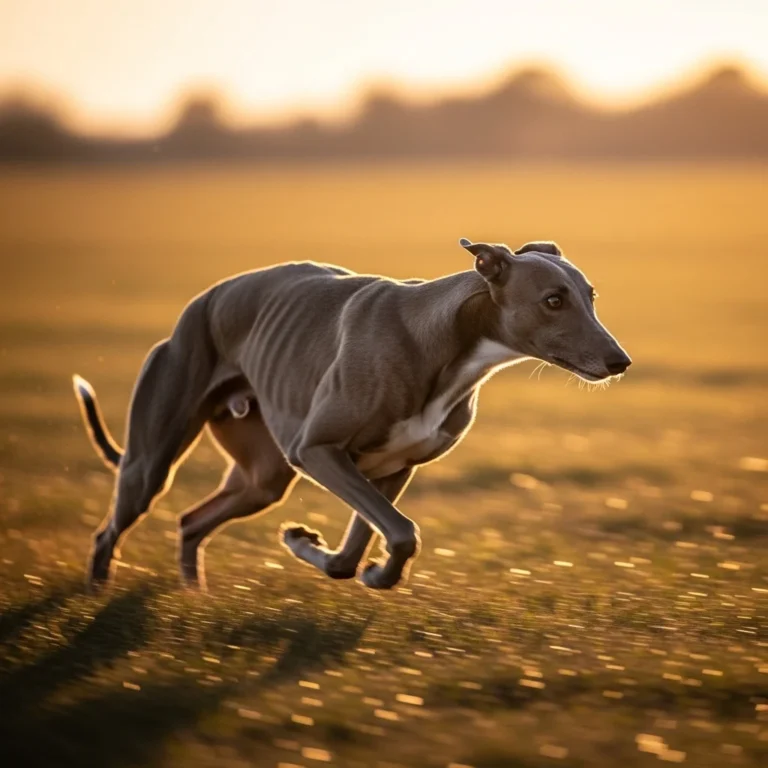

himalayan terrier
Every now and then, dog lovers stumble upon an intriguing name while searching for their next companion—something exotic, something that feels like a story waiting to unfold. Himalaya Terrier is one of those names. It sounds adventurous and majestic, almost like a dog shaped by snowy mountains and mountain-side folklore. But before you begin picturing a fluffy terrier perched on Himalayan cliffs, it’s important to understand what this term actually means.
Despite its captivating name, the Himalaya Terrier isn’t a formally recognized breed. Still, many people use the term informally to describe small terrier-like dogs found in Himalayan regions or mixed breeds influenced by terriers. This guide helps you navigate the myths, facts, characteristics, and care needs associated with dogs labeled as Himalaya Terriers, ensuring you’re fully informed before welcoming one into your life.
Understanding the Himalaya Terrier Breed
What is a Himalaya Terrier?
A Himalaya-Terrier is typically a non-recognized, mixed-breed dog with terrier-like traits. The name is often used by local communities, informal breeders, or online listings to describe small to medium-sized dogs found in Himalayan areas or dogs bred to resemble rugged mountain companions.
They may share features with well-known terriers—such as alertness, courage, and wiry coats—but they do not meet any formal standard established by major kennel organizations.
Is the Himalaya Terrier a recognized breed?
No.
Major global kennel clubs confirm that the Himalaya-Terrier is not an officially recognized dog breed, including:
- American Kennel Club (AKC)
https://www.akc.org/dog-breeds/ - Fédération Cynologique Internationale (FCI)
https://www.fci.be/en/ - The Kennel Club (UK)
https://www.thekennelclub.org.uk/
Because it’s not recognized, there is no universal breed standard or guaranteed traits.
What is the origin and history of the Himalaya Terrier?

The name appears to have been inspired by Himalayan village dogs—often hardy, intelligent, adaptable companions living alongside shepherds and families in mountainous regions. These dogs frequently develop terrier-like behaviors: alertness, bravery, and high energy.
Some may also descend from imported terriers brought by travelers, traders, or British colonists during the 19th century. However, because these dogs are not documented in official breed registries, their origins are mostly based on anecdotal accounts and community tradition.
Are there different types or variations of Himalaya Terriers?
Since it isn’t a standardized breed, variations depend heavily on local lineage, environment, and whether terrier breeds like the Fox Terrier, Tibetan Terrier, or Wirehaired Terrier influenced their ancestry. Common variations include:
- Short-haired mountain mixes
- Wiry-coated terrier-like mixes
- Small fluffy mixes resembling Tibetan breeds
Each dog may look different, and diversity is part of their charm.
How does the Himalaya Terrier compare to other terrier breeds?
When compared to established terriers—like the Jack Russell Terrier, Border Terrier, or Fox Terrier—the Himalaya-Terrier tends to share:
- High intelligence
- Strong prey drive
- Energetic personality
- Alertness and protective tendencies
However, because their lineage is not standardized, behavior and appearance vary more widely than in purebred terriers.
Characteristics and Appearance
What does a Himalaya Terrier look like?
Himalaya-Terriers often have an athletic build and expressive eyes. Their appearance may include:
- Medium-length muzzle
- Triangular ears (erect or semi-flopped)
- Compact but sturdy body
- Coat ranging from short and smooth to wiry and medium-length
They may resemble small mountain dogs or mixed terriers.
What is the typical size and weight of a Himalaya Terrier?
Typical ranges:
- Height: 10–16 inches (25–40 cm)
- Weight: 12–22 pounds (5–10 kg)
These are averages, not standards.
What coat colors and patterns are common for Himalaya Terriers?
Common colors include:
- Black
- Brown
- Cream
- Tan
- Grey
- White patches or mixed patterns
Many exhibit the rugged, natural coloration common in mountain dogs.
Do Himalaya Terriers shed a lot?
Shedding varies depending on heritage. Most shed moderately throughout the year, with heavier shedding during seasonal changes in colder climates.
What is the texture of a Himalaya Terrier’s coat?
It typically ranges from:
- Wiry and coarse (traditional terrier-like)
- Soft and fluffy (if influenced by Tibetan or mountain breeds)
Texture often reflects adaptation to cold climates.
Temperament and Behavior
What is the typical temperament of a Himalaya Terrier?
These dogs are known for being:
- Affectionate with family
- Alert and quick to respond
- Energetic and curious
- Clever problem-solvers
- Brave, sometimes more than their size suggests
Are Himalaya Terriers good with children and other pets?
Generally yes, especially when socialized early. They tend to form strong bonds with children and enjoy active play.
However, due to their terrier-like instincts, they may:
- Chase small pets
- Play roughly
- Become territorial with unfamiliar animals
Supervision and proper introductions are essential.
Are Himalaya Terriers aggressive or prone to barking?
They are not naturally aggressive, but they are strong communicators. Expect:
- Frequent alert barking
- Vocal reactions to unfamiliar noises
- Protective behavior around the home
Proper training helps reduce excessive barking.
Do Himalaya Terriers have a strong prey drive?
Yes—very likely. Their terrier roots often mean they will:
- Chase rodents
- Pursue birds or small animals
- Dig or explore instinctively
Leash training is important for safety.
Are they easy to train?
According to The Institute for Environmental Research and Education:
Training success depends on consistency. They learn quickly but may show stubbornness.
emphasizes positive reinforcement for terrier breeds,recommending reward-based methods to keep them engaged.
How much exercise does a Himalaya Terrier need?
Aim for:
- 60–90 minutes of physical activity daily
- Mental stimulation: puzzle toys, training games, nose work
- A mix of walks, playtime, and exploration
They thrive with active families.
Are Himalaya Terriers prone to separation anxiety?
They can be, especially if left alone for long hours. Symptoms may include:
- Barking
- Chewing
- Scratching doors
- Pacing
Gradual alone-time training helps build confidence.
Care and Health
What are the grooming requirements for a Himalaya Terrier?
Grooming needs vary by coat type:
- Wiry coat: weekly brushing, occasional trimming
- Soft/fluffy coat: brushing 2–3 times weekly
- Short coat: occasional brushing
All types need:
- Nail trimming
- Regular ear cleaning
- Monthly baths (or as needed)
What kind of diet is best for a Himalaya Terrier?
According to the Smithsonian Institution and the American Veterinary Medical Foundation:
Choose high-quality, protein-rich dog food.
- Real meat as first ingredient
- Balanced nutrients
- Avoiding overly salty or fatty human foods
Small, active dogs do well with diets designed for high energy levels.
What is the average lifespan of a Himalaya Terrier?
Most live:
- 12–15 years, sometimes longer with proper care.
Mixed breeds often benefit from genetic diversity, contributing to strong longevity.
Are Himalaya Terriers prone to any specific health issues?
According to the webmd and the my terrier dog:
Common issues seen in terrier-type mixes include:
- Allergies
- Patellar luxation
- Dental problems
- Eye infections
- Hip dysplasia (less common in small dogs but still possible)
Annual vet visits can help catch issues early.
How often should a Himalaya Terrier visit the vet?
Recommended schedule:
- Puppies: every 3–4 weeks until vaccinations are complete
- Adults: once yearly
- Seniors (10+): twice yearly
What vaccinations does a Himalaya Terrier need?
According to the American Animal Hospital Association and the Library of Congress:
Core vaccines include:
- Rabies
- Distemper
- Parvovirus
- Adenovirus
Non-core vaccines depend on region and lifestyle.
Acquiring and Living with a Himalaya Terrier
Where can I find a Himalaya Terrier for adoption or purchase?
Because it’s not a recognized breed, you’ll usually find Himalaya-Terriers through:
- Local shelters
- Mixed-breed rescues
- Himalayan regional rescues
- Ethical breeders of terrier mixes
Websites such as Petfinder (https://www.petfinder.com) and Adopt-a-Pet (https://www.adoptapet.com) occasionally list terrier-like mountain dogs.
What is the typical cost of a Himalaya Terrier puppy?
Prices vary widely:
- Adoption: $50–$250
- From breeders: $300–$900, depending on region and lineage
Be cautious of unusually high prices—no recognized breed standard exists.
What should I look for in a reputable Himalaya Terrier breeder?
According to Humane World for Animals:
Choose breeders who:
- Provide health records
- Allow you to meet the parent dogs
- Avoid exaggerated claims
- Do not sell puppies too young
- Are transparent about mixed heritage
Organizations like the Humane Society offer helpful guidelines on spotting responsible breeders:
Are Himalaya Terriers suitable for apartment living?
Yes—but only with sufficient daily exercise. They stay small enough for apartments but need mental and physical stimulation to prevent boredom.
Do Himalaya Terriers tolerate cold or hot weather well?
Cold: They usually tolerate cold weather well, especially if they inherit dense mountain-dog coats.
Heat: They may struggle in extreme temperatures. Provide shade, hydration, and limit activity during hot days.
you may like it