Author: DogsBlogSS Team
⚠️ Disclaimer: This article is for informational purposes only and is not a substitute for consulting a veterinarian.
dog bone
When you picture a happy dog, chances are you imagine a wagging tail, bright eyes, and—of course—a bone clutched proudly between their paws. “Dog and bone” is such a classic pairing that many owners barely question whether bones are truly safe. But the reality is more nuanced. Some bones are wonderful for your dog’s teeth, mind, and nutritional needs. Others can cause serious harm.
To help make sense of it all, this guide brings together expert advice, real veterinary guidance, and practical experience to help you choose—and use—the right dog bone safely. We’ll explore everything from types of bones to emergencies, storage, and behavior issues, all arranged in a way that flows naturally and answers the exact questions dog owners ask every day.
Safety First: The Golden Rules
Are bones safe for dogs to eat?
According to American Kennel Club and American Kennel Club+1;
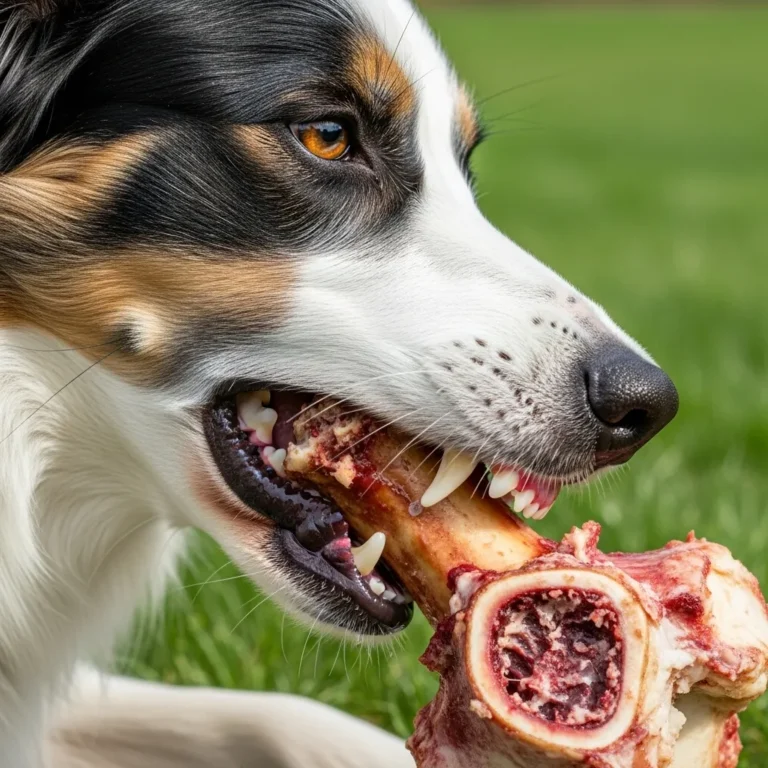
Bones can be safe—but only if you choose the right type, the right size, and follow proper guidelines. According to Dr. Jerry Klein, Chief Veterinary Officer of the American Kennel Club (AKC), raw bones can be acceptable for some dogs, while cooked bones are almost always dangerous. His team outlines safety
The takeaway? Treat bones like any other tool in your dog-care toolbox: helpful when used wisely, harmful when used casually.
What is the difference between cooked and raw bones?
Cooked bones become brittle, dry, and prone to splintering. Raw bones stay more flexible and moist, making them much less likely to shatter.
Veterinary nutrition expert Dr. Karen Becker explains that raw bones have natural moisture, connective tissue, and fat, which reduce fracture risk.
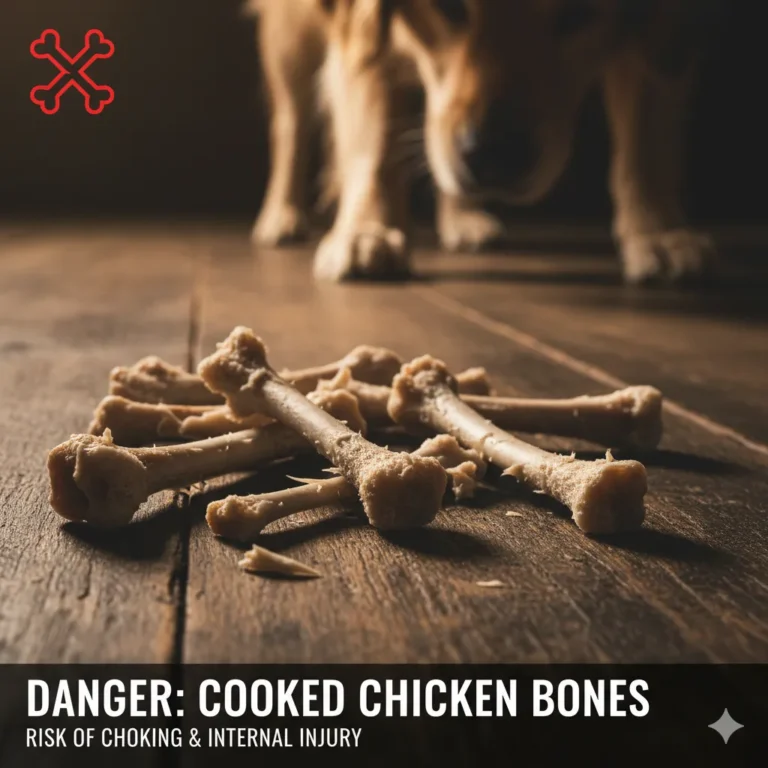
Why are cooked bones dangerous for dogs?
Cooked bones break into sharp splinters that act like tiny knives. These can:
- Pierce the esophagus
- Damage the stomach or intestines
- Become lodged and cause blockages
- Break teeth
- Cause infections or internal bleeding
The FDA warns explicitly against feeding cooked bones to dogs due to frequent emergency cases.
can dogs eat chicken bones, turkey, or pork bones?
These are the most dangerous bones because they’re small, hollow, and splinter easily—especially poultry bones. Whether raw or cooked, they pose choking and puncture risks.
Veterinarians at VCA Animal Hospitals strongly advise against giving small animal bones of any kind:
Stick to large, dense bones instead.
related: Can Dogs Eat Turkey? Benefits & tips
What are the risks of feeding bones to dogs?
Any bone—even a safe one—carries some risk. These may include:
- Choking
- Cracked or broken teeth
- Intestinal blockages
- Constipation
- Bacterial contamination (if raw bones are mishandled)
Dr. Marty Becker from Fear Free Pets stresses watching your dog closely while chewing and choosing appropriate bones:
Choosing the Right Bone
What are the best types of safe bones for dogs?
Not all dog bones are created equal. While the world is full of options, veterinarians consistently recommend a few dependable choices:
Best Raw Options:
- Beef knuckles
- Beef shanks
- Lamb femur bones
- Marrow bones (large only)
These bones are large, dense, and durable—ideal for medium to large dogs.
Avoid weight-bearing bones from large animals if your dog is an aggressive chewer, as they may be too hard and cause tooth fractures.
How do I choose the right size bone for my dog?
According to Smart.DHgate and basepaws:
Think of this as the “swallow hazard rule.”
A bone should be:
- Larger than your dog’s head
- Impossible to swallow whole
- Heavy enough that they can’t break it into small choking pieces
Veterinary dentist Dr. Jan Bellows (Dipl. AVDC) reminds owners that a bone that fits entirely in the dog’s mouth is too small and unsafe.
Are there specific bones recommended for puppies vs. adult dogs?
Yes—puppies have different needs and risks.
For Puppies:
- Softer raw bones
- Frozen washcloths
- Raw chicken wingtips only as supervised teething tools and only if recommended by a holistic vet
- Natural rubber teething bones
Avoid weight-bearing bones and hard marrow bones, as puppy teeth can chip easily.
For Adults:
- Beef knuckles
- Lamb femurs
- Marrow bones (supervised)
- Large recreational raw bones
Rawhide vs. Natural Bones: Which is better?
According to American Kennel Club:
Rawhide is highly processed, sometimes bleached, and can swell in the stomach, causing blockages. Many veterinarians are cautious about rawhide for these reasons.
Natural raw bones are generally safer if they meet the size and supervision guidelines.
Are antlers or synthetic bones good alternatives to real bones?
Antlers:
- Extremely hard
- Can break teeth
- Not recommended for aggressive chewers
- Long-lasting but high risk
Synthetic Bones:
- Nylon bones (e.g., Nylabone) can be safe
- Choose flexible, non-edible versions
- Avoid very hard nylon if your dog has strong jaws
Behavior specialists often recommend synthetic bones for mental stimulation without the risks of real fractures.
Health & Nutritional Benefits
Do bones actually help clean a dog’s teeth?
According to petmd and American Kennel Club:
Yes—raw, meaty bones can reduce tartar buildup through natural scraping.
According to the American Veterinary Dental College, chewing helps clean the gum line, though bones should never replace professional dental care:
What is the nutritional value of raw bones?
According to petmd and American Kennel Club:
Raw bones are rich in:
- Calcium
- Phosphorus
- Collagen
- Healthy fats
- Trace minerals
Raw meaty bones (like chicken backs or
necks) are a part of many raw-feeding diets, but they should be balanced with proper nutritional guidance.
Is bone marrow good for dogs?
According to petmd and American Kennel Club:
Bone marrow is delicious and nutrient-dense.
But it’s also:
- High in fat
- Rich to digest
- Potentially too much for dogs with pancreatitis or weight issues
Vets warn that marrow can cause diarrhea or vomiting in sensitive dogs. Their advice is featured on PetMD.
How do bones provide mental stimulation for dogs?
Chewing is a natural stress reliever. It releases endorphins and provides an outlet for pent-up energy. Dogs left alone with appropriate chews often exhibit reduced anxiety and destructive behavior.
Animal behaviorist Dr. Patricia McConnell notes that chewing fulfills canine instincts and offers an enriching sensory experience:
Best Practices & Hygiene
How long should I let my dog chew on a bone?
Most experts recommend 15–20 minutes per session.
Long chewing sessions can lead to:
- Worn teeth
- Swallowed chunks
- Digestive upset
- Sore gums
Rotate and supervise to prevent overuse.
How should I store raw dog bones?
You can store raw bones exactly like you would raw meat:
- Freeze until needed
- Thaw in the refrigerator
- Never leave at room temperature
Bacteria multiplies quickly on raw bones, so treat them carefully. The CDC guidelines on raw meat safety apply here as well:
When should I throw a dog bone away?
Throw a bone away when:
- It becomes small enough to swallow
- It develops sharp edges
- It splinters
- The marrow is fully consumed and only brittle shell remains
- It’s covered in dirt or bacteria after outdoor chewing
How often can I give my dog a bone?
Most dogs do well with one to two raw bones per week.
Dogs with sensitive stomachs may need fewer, while heavy chewers may enjoy them more often—with supervision.
Troubleshooting & Emergencies
What should I do if my dog swallows a bone whole?
First—stay calm.
Then:
- Observe your dog’s breathing.
- If choking, perform dog Heimlich techniques (instructions from Red Cross):
- If they’re breathing normally, call your veterinarian.
- Monitor closely for vomiting, drooling, abdominal pain, or lack of stool.
My dog is vomiting bone fragments, is this normal?
Occasional mild vomiting can happen as a dog tries to clear bone residue.
But persistent vomiting, bloody vomit, or signs of pain require urgent vet care. Sharp fragments may be damaging the digestive tract.
Why does my dog become aggressive with bones?
Bones are high-value items.
Dogs may guard them because:
- They fear losing them
- It’s an instinct inherited from wild ancestors
- They feel stressed or insecure
Certified behaviorist Dr. Sophia Yin recommends trading up (offering a higher-value treat) rather than forcibly taking bones:
What are the signs of an intestinal blockage caused by a bone?
Seek emergency help if your dog shows:
- Repeated vomiting
- Distended stomach
- Inability to defecate
- Crying or whining
- Hunched back
- Sudden lethargy
- Blood in stool or vomit
Blockages can be fatal, and surgery may be needed.
Notice : The DogsBlogSS editorial team is dedicated to providing accurate, research-based information about dog health, behavior, and care. All our articles are fact-checked using trusted veterinary sources such as VCA Hospitals, Merck Vet Manual, and the AKC.
you may like it