Author: DogsBlogSS Team
⚠️ Disclaimer: This article is for informational purposes only and is not a substitute for consulting a veterinarian.
dog bad breath
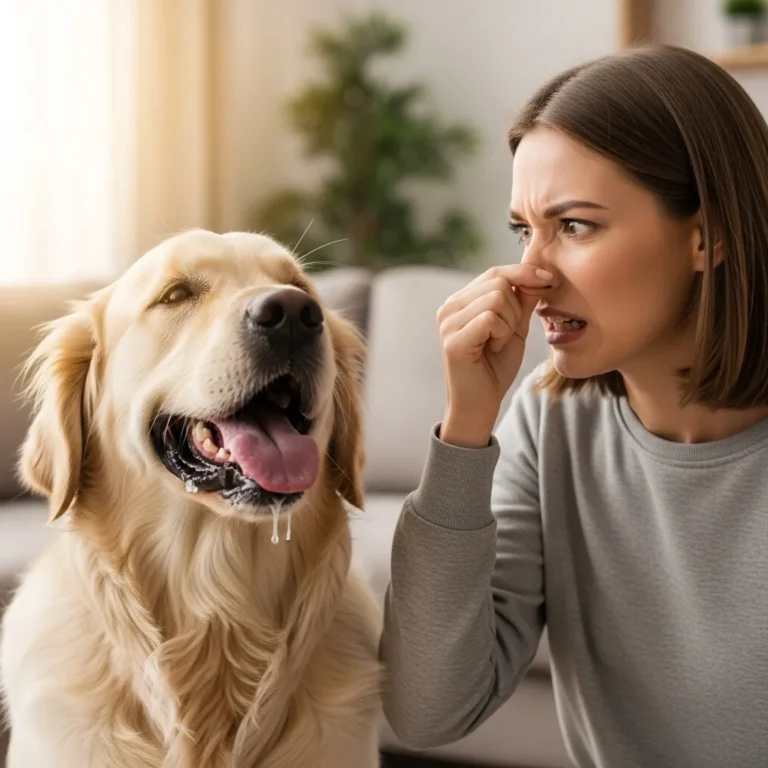
We love our dogs for their playful energy, their loyal eyes — and yes, even their sloppy kisses. But there’s a problem many of us face occasionally: bad dog breath. Sometimes it’s barely noticeable, but other times it’s strong enough to make you step back. If you’ve ever paused mid‑snuggle and wondered, “Why does my dog’s breath smell so bad?”, you’re not alone.
Bad breath in dogs isn’t just unpleasant — often, it’s a signal that something deeper may be going on, from dental troubles to health issues beyond the mouth. The good news? With a bit of informed care, many causes are treatable or manageable. In this article, I’ll walk you through what might be behind the stinky sighs, how to diagnose it, practical home remedies, and when it’s time to call a vet. Think of this as a friendly guide to help your pup go from “what’s that smell?” to “fresh‑mouthed cuddle time.”
Understanding the Root Causes (The Basics)
Why does my dog’s breath smell so bad suddenly?
According to VCA Animal Hospitals, A sudden change in your dog’s breath often means something shifted — and not always for the better. Maybe they chewed on something unusual, ate spoiled food, or managed to trap bits of food between teeth. These stray bits can rot, leading to a quick burst of foul odor. According to the animal‑health pages at VCA Animal Hospitals, buildup of plaque, tartar, or trapped food/foreign matter is one of the top causes of what veterinarians call “halitosis” in dogs.
If the smell arrives suddenly and strongly — and perhaps with drooling, pawing at the mouth, or reluctance to eat — it’s worth taking a peek inside their mouth (with clean hands) or better yet, scheduling a vet visit. What might be a small stuck bit of food could be a sign of a more serious infection or injury.
What are the most common causes of bad breath in dogs?
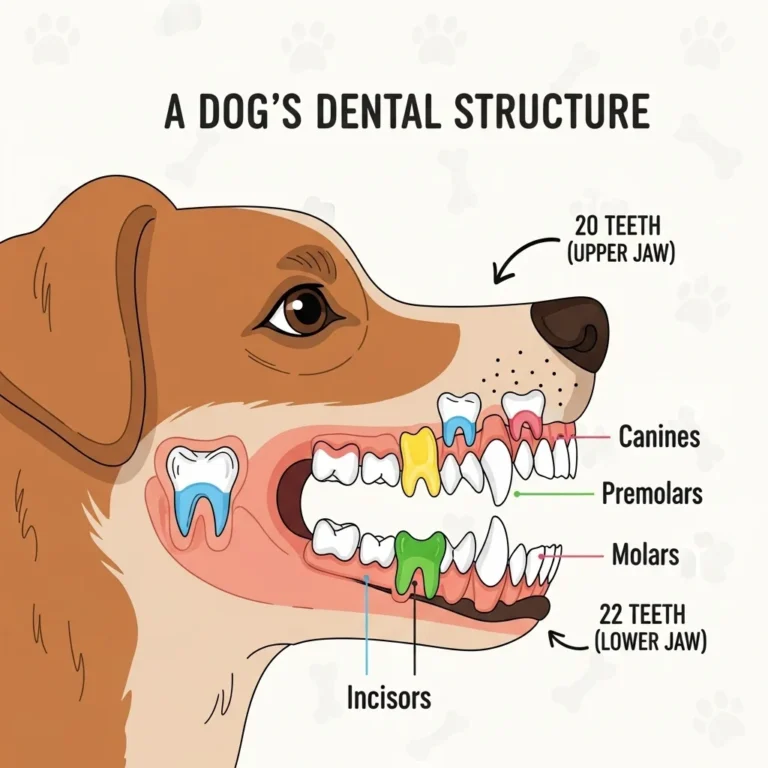
According to VCA Animal Hospitals,More often than not, the culprit is dental disease. Over time, plaque (that sticky biofilm of saliva, food residue, and bacteria) builds up. If not cleaned off, it mineralizes into tartar — a rough, hard deposit that’s difficult to remove at home. That tartar and the bacteria beneath the gumline can lead to inflammation, gingivitis (gum inflammation), and eventually periodontal disease, which can be painful and dangerous.
According to PetMD,But dental disease isn’t the only cause. According to a guide from PetMD, other common sources include: food particles stuck between teeth, bits of toys or sticks lodged in the mouth, and oral infections or abscesses.
According to VCA Animal Hospitals,In older or neglected dogs, oral tumors or decaying tissue can also contribute to persistent, foul odor.
According to PetMD,Sometimes, though, bad breath isn’t about the mouth at all — but the body. Conditions affecting the kidneys, liver, gastrointestinal tract, or metabolism (like diabetes) can all cause noticeable changes in breath odor.
Does dry food or wet food cause worse breath in dogs?
According to Preventive Vet,Diet plays a role — though not always the way we expect. Dry food (kibble) sometimes helps a bit because the crunchy texture can help scrape away plaque, especially if the kibble is appropriately sized for your dog’s breed and jaw. But if the kibble is too small or if your dog gulps it down without chewing, it may not do much at all.
According to Preventive Vet,On the other hand, wet food (or human leftovers) might smell more strongly after digestion, and soft foods don’t help with mechanical cleaning. Also, richer or fish-based diets sometimes contribute to stronger breath odors — especially if oral hygiene is neglected.
Bottom line: no food is magic. If you feed dry food, it helps if your dog chews thoroughly. But the best defense against bad breath is regular oral hygiene — regardless of what you feed.
Is “puppy breath” normal, and when does it change?
Many new dog owners wonder: is that slightly musky, sometimes “off” puppy smell just normal puppy breath? Often, yes. Puppies have fresh adult teeth growing in, sometimes loose baby teeth dropping, and their gums may feel a bit different. That can create mild, temporary odors.
According to Partners Animal Hospital Asheville,However, puppy breath should gradually fade as their adult teeth settle in. If you notice the smell intensifying, persisting, or associated with redness, swelling, or trouble chewing — it’s worth checking with a vet. Dental disease can begin early, especially if puppy teeth weren’t cleaned, or if the puppy had a habit of chewing on dirty objects, garbage, or feces.
Decoding the Smell (Diagnostic Questions)
Sometimes we instinctively sniff at a dog’s breath, and the kind of smell gives a clue about what might be going on. Here are some common scent “profiles” and what they might (or might not) mean.
What does it mean if my dog’s breath smells like fish?
According to PetsCare,A fishy or musty breath often comes up when a dog has been licking or chewing around the rear — sometimes due to impacted or infected anal glands. The scent can get transferred forward to the mouth.
According to Preventive Vet,Alternatively, a fishy odor may simply stem from a diet heavy in fish-based food. In such cases, improving dental hygiene can help reduce the intensity of the scent.
Why does my dog’s breath smell like poop?
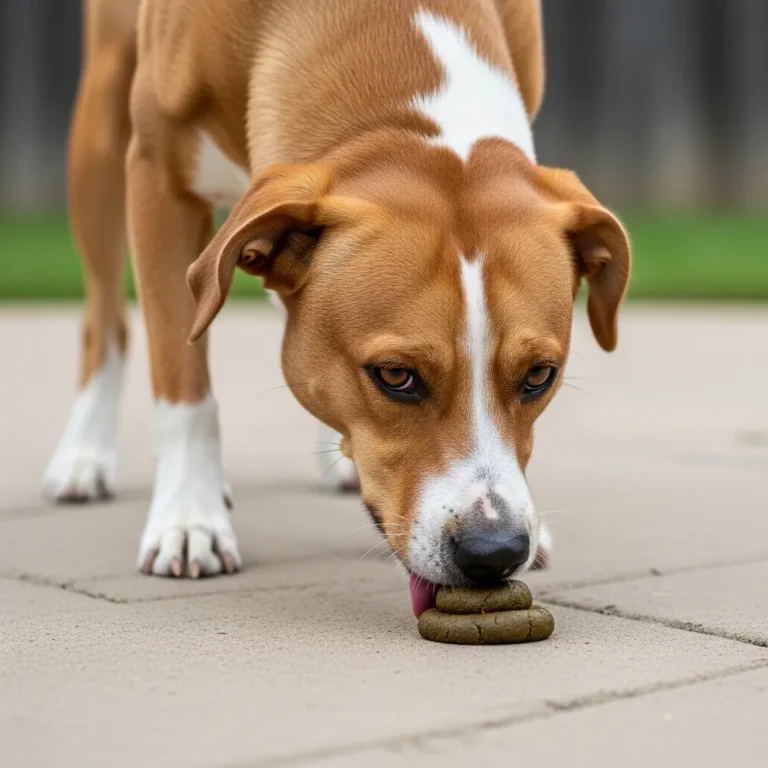
According to PetMD,This is definitely alarming — and often points to one of two problems. First: if your dog has a history of coprophagia (eating feces), that’s likely the cause. As odd — and admittedly gross — as it sounds, this habit dramatically alters the smell of the mouth.
According to Honest Paws Second: persistent odor resembling feces might signal severe gum disease, oral infections, or even decaying tissue in the mouth (abscesses, damaged teeth, or oral tumors). In such cases, the smell comes from bacterial activity, pus, and tissue breakdown — not from what the dog ate.
Could a metallic or ammonia smell indicate kidney problems?
According to PetMD,Yes — especially if the odor is sharp, slightly chemical, or reminiscent of ammonia or urine. According to PetMD, when kidneys underperform (as in kidney disease), toxins such as urea accumulate, and breath may begin smelling like ammonia.
If you pair that odor with symptoms like increased thirst, frequent urination, decreased appetite, or lethargy, it’s a good reason to call your vet for bloodwork and a full health check.
Why does my dog’s breath smell sweet or fruity?
According to PetMD,A sweet, fruity, sometimes acetone‑like scent can be a red flag for metabolic issues — particularly uncontrolled Diabetes Mellitus. In diabetic dogs, as their body struggles to manage glucose, it may begin breaking down fat, producing ketones which often have a sweet or fruity smell.
If you notice this kind of breath — especially if it comes with weight loss, increased thirst or urination, or a change in appetite — talk to your vet as soon as possible.
dog bad breath home remedy
Once you’ve thought through what could be causing the smell, there are several things you can do right at home. Some are quick fixes, others can help build long‑term dental hygiene habits.
How can I cure my dog’s bad breath at home naturally?
According to Basil Pet Care,If the smell is mild to moderate and seems tied to diet or simple plaque buildup, you can try some gentle, natural approaches. Many pet parents offer their dogs crunchy veggies like raw carrots or apple slices — which help scrape away plaque as they chew.
According to Trusted House Sitters,Fresh (curly) parsley and mint often get recommended as natural breath fresheners, thanks to their chlorophyll content and mild deodorizing effect. Sprinkle a pinch of finely chopped parsley over food, or try mixing parsley “tea” (steeped parsley cooled down) into a small portion of drinking water.
According to Unleash Wellness,Some folks even mix a tiny bit of coconut oil into their dog’s meals — proponents say its mild antibacterial properties may help reduce odor-causing bacteria. Just keep an eye on overall fat intake and confirm with your vet, especially if your dog has dietary sensitivities.
IMPORTANT NOTE: Natural remedies should complement — not replace — regular dental care. If the smell persists, worsens, or returns quickly, it’s a sign that home tweaks aren’t enough.
Do dental chews and water additives actually work?
According to American Kennel Club,Yes — with caveats. Many products labeled as “dental chews” or “water additives” can help reduce plaque and freshen breath. According to the American Kennel Club (AKC), chew toys and dental treats provide mechanical abrasion that helps remove plaque — much like flossing or chewing sugar‑free gum helps us.
According to PetMD,That said, reputable sources like PetMD emphasize that nothing beats regular tooth brushing and periodic professional cleanings for real long-term dental health. So while dental chews and additives can be helpful — especially for dogs reluctant to brush — they shouldn’t be the only tool in your hygiene kit.
What is the best way to brush a dog’s teeth if they hate it?
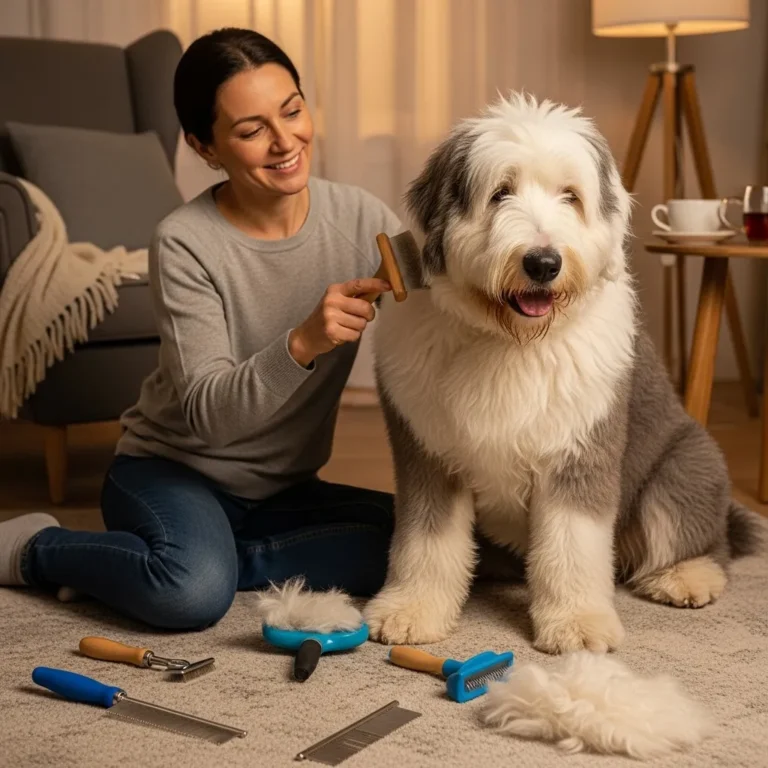
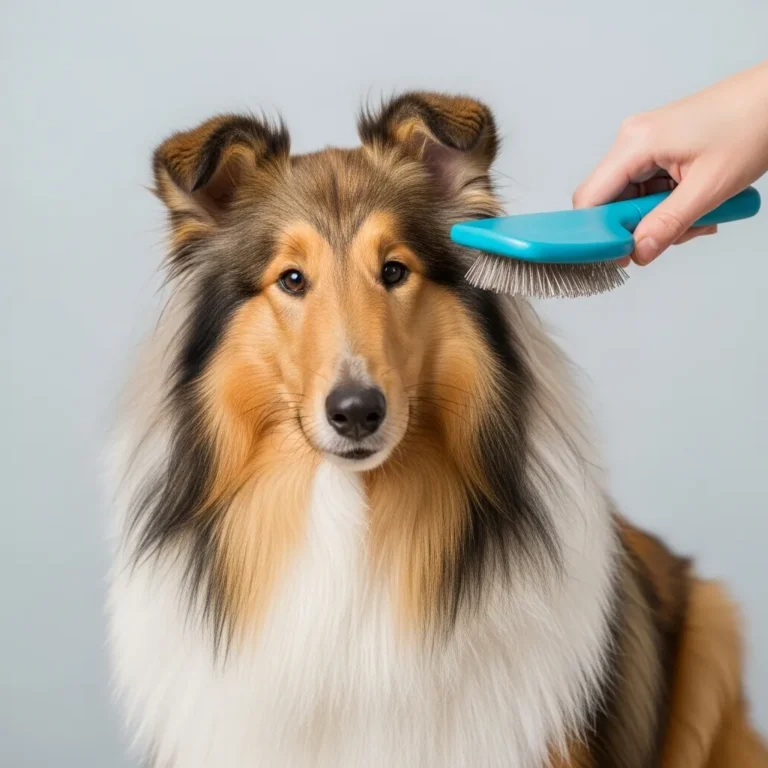
According to PetPlace,Brushing a dog’s teeth can be a bit like convincing a tough teenager to floss — but it is possible, if you take it slow and use positive reinforcement. Many vets suggest starting by letting your dog sniff and lick the toothbrush (and dog‑safe toothpaste), then gradually desensitizing them to having something in their mouth.
Finger brushes or soft gauze wrapped around your finger (with a small dab of toothpaste) can be easier than a rigid toothbrush if your dog resists. Short, gentle sessions — even a few times per week — are better than nothing. Over time, many dogs learn to tolerate (or even enjoy) the attention, especially if it’s associated with treats, praise, or play.
Can changing my dog’s bowl (plastic vs. ceramic) help with bad breath?
According to Animal Health Topics,Yes — surprisingly often. Some vets and pet‑care experts warn that plastic bowls can harbor persistent bacteria because tiny scratches accumulate over time. If your dog drinks from the same plastic bowl day after day, those bacteria can transfer to their mouth. Ceramic, stainless steel, or glass bowls are easier to clean and less porous — so bacteria don’t linger as easily.
Switching to non‑porous bowls, washing them daily in hot soapy water, and rinsing thoroughly can reduce one common source of bad breath. It’s a simple change — but often overlooked.
Veterinary Care & Health Red Flags
Sometimes bad breath is more than just a bad habit or dirty teeth. It can be a sign of a health issue that needs veterinary attention — fast.
When does bad breath indicate a serious underlying illness?
According to PetMD,Persistent or progressively worsening bad breath — especially when paired with other signs — deserves a vet visit. According to PetMD, if breath changes suddenly and is accompanied by symptoms like excessive thirst or urination, vomiting, weight loss, yellowing of gums/eyes (jaundice), or lethargy, underlying disease such as diabetes, kidney disease, or liver problems might be behind it.
According to Animal Health Topics,Additionally, oral tumors, advanced periodontal disease, bone loss, or abscesses may cause foul, decaying smells. The presence of swollen gums, bleeding, difficulty chewing or pawing at the face are all red flags. Experts at UC Davis School of Veterinary Medicine recommend a full oral exam and possibly bloodwork or imaging if dental hygiene alone doesn’t explain the breath.
Bottom line: if it smells bad and your dog isn’t acting like themselves, don’t wait.
How much does a professional dog dental cleaning cost?
According to PetMD,The price of a professional cleaning can vary quite a bit depending on how healthy (or neglected) your dog’s teeth are — and what other procedures are needed. According to a recent article on PetMD, basic cleanings by a general veterinarian typically run USD $350–$500. But if extractions or more advanced care are needed — or you opt for a board-certified veterinary dentist — costs can climb to $1,500 or more.
According to Veterinary Care at Your Fingertips,Other sources confirm wide variability. General veterinary clinic quotes often range between $300 and $1,000, while specialist cleanings or extractions may push the cost to $1,000–$3,000+.
Factors that influence the total cost include:
- According to Great Pet Care,The severity of dental disease (how much tartar, how many teeth need work)
- According to PetMD,The need for pre-anesthetic bloodwork, X-rays, anesthesia, medications, and aftercare.
- According to PetMD,Whether extractions or specialized dental procedures are required.
- According to Forbes,Location, size/age of the dog, and whether a general vet or a dental specialist is used.
Because of all these variables, it’s wise to ask for a detailed estimate before scheduling — and to budget not just for cleaning, but potential extractions or follow‑up care.
Is bad breath in older dogs inevitable?
According to VCA Animal Hospitals,It’s a common myth that older dogs simply have bad breath. The truth is, age itself doesn’t cause bad breath — but years of neglected dental care often do. Experts across veterinary dentistry point out that without regular brushing or periodic cleanings, plaque and tartar accumulate gradually, leading to periodontal disease, tooth loss, bone damage, and bad breath.
With consistent care — brushing, chew toys, yearly check-ups, and professional cleanings when needed — even senior dogs can enjoy reasonably fresh breath and healthy mouths. It’s never too late to start.
Conclusion
Bad breath in dogs isn’t just a small nuisance. It’s often a sign — sometimes subtle, sometimes serious — that your furry friend’s oral health (or even overall health) needs a little attention.
The good news? Many causes are manageable, especially when caught early. A mix of simple daily habits (brushing, healthy chewing, clean bowls), occasional home-based fresheners, and regular vet check‑ups can go a long way. And when deeper issues do arise, you’ll know what to look for — and when to seek professional help.
Think of caring for your dog’s breath as part of caring for their whole well-being. After all, fresh breath isn’t just about cuddles — it’s about comfort, health, and giving your pup the best quality of life.
Notice : The DogsBlogSS editorial team is dedicated to providing accurate, research-based information about dog health, behavior, and care. All our articles are fact-checked using trusted veterinary sources such as VCA Hospitals, Merck Vet Manual, and the AKC.
you may like it