Author: DogsBlogSS Team
⚠️ Disclaimer: This article is for informational purposes only and is not a substitute for consulting a veterinarian.
dew claw
The Basics: What is a Dew Claw?
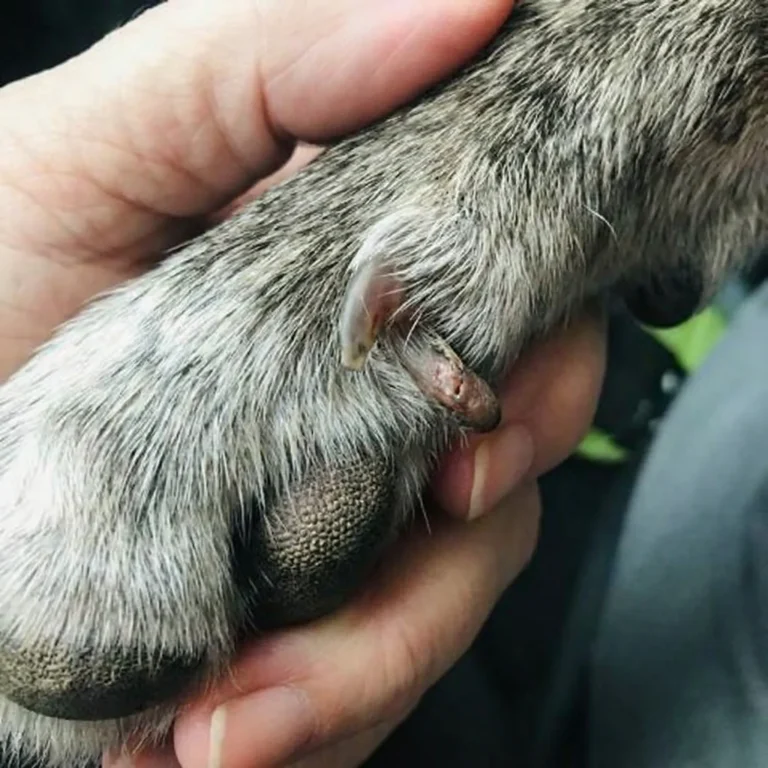
Have you ever looked at your dog’s paw and noticed a little extra claw set a bit higher up than the rest — the one that never seems to touch the ground? That’s the dew claw. It’s a claw on the inner side of a leg, usually higher than the regular nails, and it’s part of a dog’s (and often a cat’s) anatomy.
What exactly is a dew claw and where is it located?
According to petscare, In dogs (and cats), the dew claw is like a “bonus” claw. On most dogs, you’ll find one dew claw on each front leg, set higher than the ground-touching nails. It sits somewhat like a “thumb,” on the inside of the leg just above the paw.
According to Dial A Vet, For animals with dew claws, this means a typical front paw has five claws — four weight-bearing and one dew claw. In creatures with “extra toes,” dew claws may be more elaborate or duplicated (but more on that later).
Do all dogs and cats have dew claws?
Most — but not all.
- According to Dog Days Daycare,Dogs: Almost all dogs have front dew claws. However, whether they have dew claws on the rear legs depends on the breed. Some dogs have no rear dew claws; in some breeds, rear dew claws appear occasionally; and in a handful of breeds, rear dew claws (sometimes double) are typical. Dog Days Daycare
- According to cat-world.com,Cats: Domestic cats (and many wild cats) typically have dew claws on their front legs — similar to dogs. But unlike dogs, cats very rarely have dew claws on their hind legs.
So, while dew claws are common, they don’t always show up on every paw and not every animal will have them on all four legs.
What is the evolutionary purpose or function of a dew claw? (Do they use them?)
According to petscare,Though dew claws were once thought to be vestigial — leftover from an ancestral past — veterinarians and animal-care experts now recognize that they often serve real functions, especially in active or working animals.
For instance:
- According to petscare,Traction and Stability: During running, jumping, or making sharp turns, the dew claw (especially on the front leg) can sometimes touch the ground — helping with grip and balance. This is especially helpful on slippery surfaces or uneven terrain.
- According to petscare,Joint Support: The dew claw can contribute to stability in the wrist (carpal) joint during high-speed movement or sudden directional changes.
- According to cat-world.com,Gripping & Manipulation: Dogs may use dew claws to hold onto toys, bones, or sometimes while scratching. Some cats use their dew claws to grip or manipulate prey, climb surfaces, or groom — similar to a thumb helping a hand.
According to petscare,That said, not all dew claws are equal: front dew claws tend to be sturdier (attached by bone and tendons) and more functional; rear dew claws — when present — are often more loosely attached, sometimes only by skin, making them less useful and more vulnerable.
What is the difference between front and rear dew claws?
The difference boils down to attachment, function, and risk.
- According to petscare,Front Dew Claws: Usually attached by bone, ligaments, and tendons. In many dogs these claws are “real digits” that contribute to traction and support.
- According to Zoetis Petcare,Rear Dew Claws: When present, these often are loosely attached — sometimes just to skin or soft tissue rather than bone — and are usually not weight-bearing. That makes them more prone to injury. In many breeds, rear dew claws are less critical functionally than front ones.
According to Dr. Candy Akers – Holistic Veterinarian,Some breeds even have double dew claws on the hind legs — two claws on each back leg instead of one. These extra claws are sometimes part of the breed standard and can provide extra grip or stability in rugged terrain.
Routine Care and Maintenance
Once we know what a dew claw is, it’s important to understand how to care for it. Just like other nails, dew claws require attention — often more than the regular nails.
How do I properly trim a dew claw without hurting my pet?
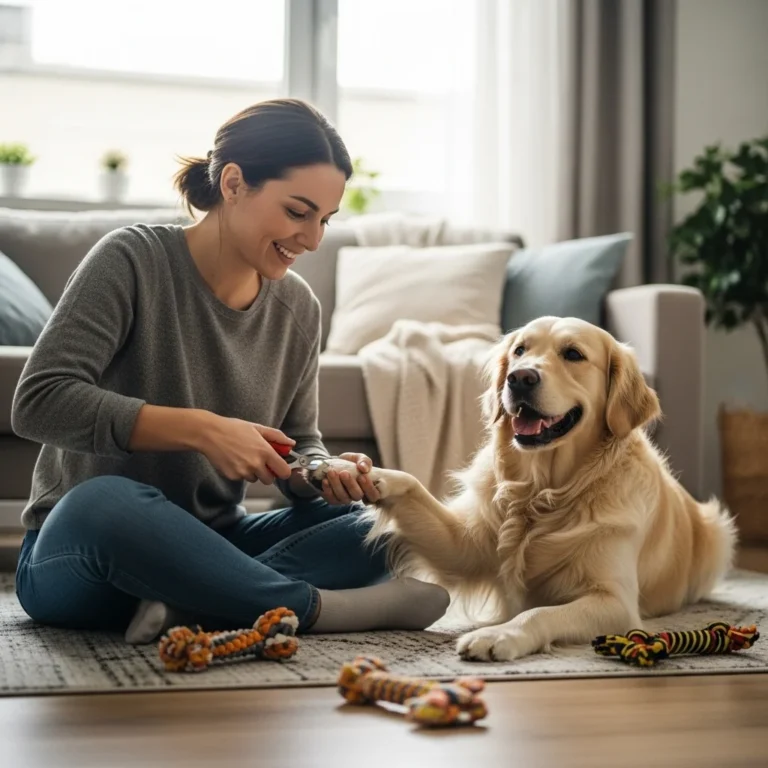
According to Wag!,Trimming dew claws follows much the same careful approach as trimming ordinary dog nails — but with extra caution, because dew claws don’t usually touch the ground and tend not to wear down naturally. That means they can overgrow, curl, or even start to grow inward.
Here’s a friendly, step-by-step approach many groomers and dog-owners use (and recommend):
- According to Heart + Paw,Have proper tools: Use a good-quality dog nail clipper or grinder. A nail file can help smooth the edges afterward so the claw isn’t rough or jagged.
- According to Wag!,Trim little by little: Especially for dew claws — cut just a small bit at a time, rather than trying to do too much in one go. This reduces the risk of cutting the “quick” (the sensitive, innervated part of the nail).
- According to Heart + Paw,Watch for the quick: If the nail is light-colored, you may be able to see the quick inside; if it’s dark-colored, be extra conservative. If you accidentally cut the quick and cause bleeding, you can use styptic powder (or even cornstarch) to help stop bleeding.
- According to Heart + Paw,File after clipping: Clipping alone can leave sharp edges that catch on carpets or scratch skin — a quick file helps smooth them out.
- Stay calm and gentle: Talk to your pet, give treats, go slowly — especially the first few times. Many owners find clipping dew claws easier after their pet gets used to the routine.
How often should dew claws be trimmed compared to other nails?
According to petscare,Because dew claws don’t touch the ground, they rarely wear down naturally like the other nails. That means they often need more frequent trimming. Many groomers suggest trimming dew claws every few weeks — perhaps even more often than regular nails if your dog doesn’t naturally wear them down through activity.
According to gundogmag,Some dogs — especially those who run, walk, or play on rough surfaces — may wear down their claws naturally. But for many indoor or less-active dogs, the dew claws will keep growing, and if ignored, can become a problem.
What happens if a dew claw is left untrimmed? (Risks of ingrown nails)
Neglecting dew claws can lead to a range of issues:
- According to gundogmag,The claw can overgrow and begin to curl inward, potentially embedding into the skin (similar to ingrown toenails in humans). This can be painful and lead to infection.
- According to petscare,The nail can snag on carpets, furniture, or underbrush — and may tear or break, which is painful and often traumatic for the dog.
- According to Fluffy Tamer,Over time, an unkempt dew claw can create mobility issues or discomfort, especially if it catches repeatedly.
- According to petscare,Finally, regular grooming (clipping and checking) helps prevent many of these problems — which is why dew-claw maintenance is essential for many pet owners.
Injury Management (Urgent Queries)
Even with the best care, dew-claws sometimes get injured. This can happen during rough play, running through brush, or accidentally catching on something. When that happens, it’s good to know what to do — and when to call your veterinarian.
What should I do if my dog tears or breaks their dew claw? (First aid steps)
If you suspect a dew-claw is torn or broken — perhaps from yelping, limping, licking the paw, or visible damage — try the following first-aid measures:
- Calm your dog and gently examine the paw. Try to assess how bad the damage looks — is the claw cracked, bent, bleeding, or missing?
- Clean the area carefully: Use clean water (or a gentle antiseptic solution) to rinse away dirt or debris. Avoid using substances that might sting, unless advised by a vet.
- Apply pressure if bleeding: Use a clean cloth or sterile gauze to apply gentle pressure. If it’s a small cut, bleeding may stop quickly; if the claw is severely torn, bleeding may be more serious.
- According to Heart + Paw,Use styptic powder or corn starch if bleeding persists: If you have a styptic pencil or powder, that can help stop bleeding; if not, cornstarch can sometimes serve as a temporary substitute.
- Bandage if needed: If there’s a wound, you can wrap the paw lightly — but only if the dog tolerates it. Change the wrap regularly and keep the area clean, until you can see a vet.
How can I stop a broken dew claw from bleeding at home?
As above — gentle pressure, clean cloth or gauze, and styptic powder (or cornstarch). Do this carefully and calmly. If bleeding is heavy, won’t stop, or the claw is badly damaged, avoid manipulating it too much and contact a vet immediately.
Does a broken dew claw heal on its own, or does it require a vet visit?
It depends on severity. A small crack or superficial split might heal with good home care (cleaning, bandaging, keeping the paw clean, limiting activity). However:
- According to petscare,Because claws — including dew-claws — have a “quick” (blood vessels and nerves), injuries can be painful, get infected, or have complications.
- If the nail is completely torn off, or if there is swelling, persistent bleeding, limping, or the dog seems in pain, a veterinary visit is strongly recommended.
- According to Petful,In many cases, vets may recommend treatment (antibiotics, dressing), or even removal of the dew-claw if it’s badly damaged or at risk of repeated injury.
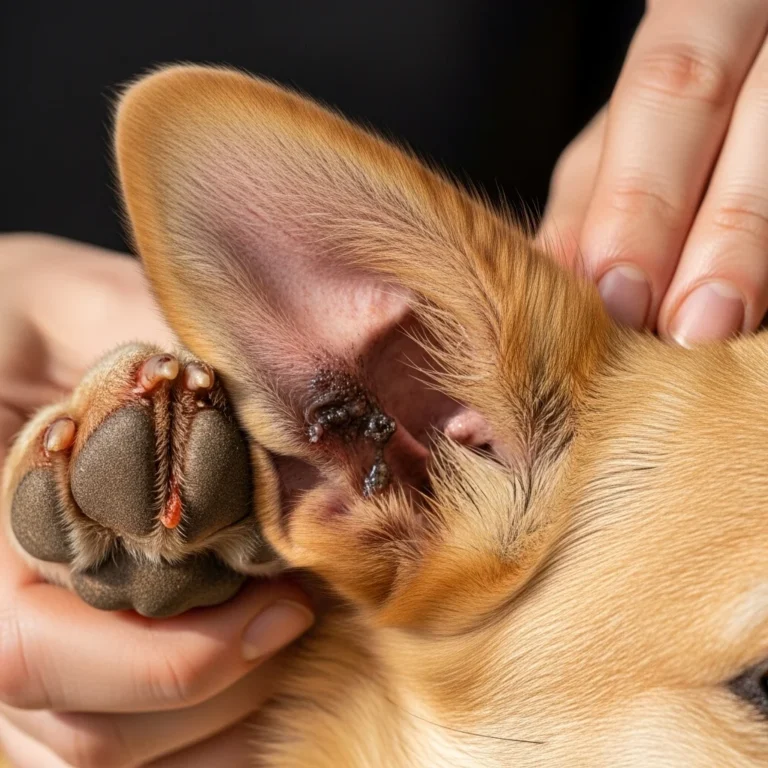
What are the signs of an infected dew claw?
Keep an eye out for:
- Redness, swelling, heat around the claw area
- Unusual discharge (pus or thick fluid)
- A foul smell
- Limping, excessive licking or biting at the paw
- Sensitivity or pain when touching the dew-claw
According to petscare,If you spot any of these signs, it’s time to contact your vet — infections around claws can worsen quickly if untreated.
The Removal Debate (Surgery & Ethics)
Perhaps the most controversial aspect of dew-claws is whether they should be removed — and under what circumstances. It’s a decision some breeders and owners face; but it must be made carefully, considering health, ethics, and the dog’s lifestyle.
Is dew claw removal necessary or purely cosmetic?
According to petscare,For many dogs, removal is unnecessary and purely cosmetic. Front dew-claws often serve useful functions — traction, balance, joint support — so removing them removes part of the dog’s natural anatomy and may even pose long-term risks.
Veterinarians generally recommend against routine removal if there’s no medical reason.
That said, there are situations where removal might be considered:
- If a dew-claw is chronically injured, torn, or frequently snagged
- If the dew-claw is loosely attached (especially rear ones) and prone to trauma
- According to petscare,If a dew-claw is malformed or infected and doesn’t respond to conservative care
What are the pros and cons of removing dew claws?
Pros of removal:
- According to Pet Life World,Reduced risk of future dew-claw injuries (tears, breaks, snagging) — especially for active dogs or working breeds that move through rough terrain.
- According to luxwisp,Potentially fewer grooming issues if the claws tend to overgrow, embed, or get dirty/furry especially in breeds with long fur.
- According to petscare,Peace of mind for owners worried about repeated dew-claw injuries — for example, those whose dogs regularly snag dew-claws on fences, bushes, or undergrowth.
Cons of removal:
- According to petscare,Surgery involves anesthesia, risk of complications, pain, and recovery time.
- According to petscare,Loss of natural functionality: dew-claws — especially front ones — can help with traction, balance, agility. Removing them may reduce stability, especially in athletic or working dogs.
- According to petscare,Ethical considerations: many modern veterinarians argue that removing a healthy part of a dog’s anatomy purely for convenience or cosmetic reasons is unnecessary.
At what age is it safest to remove dew claws? (Puppy vs. Adult)
According to petscare,If dew-claws are to be removed — for medical or breed-specific reasons — many breeders and vets perform the procedure when the puppy is just a few days old, often before the eyes open (or within the first 3–5 days).
According to petscare,At this age, the procedure typically involves minimal discomfort and risk, and suturing or anesthesia may be less complex.
According to petscare,By contrast, removing dew-claws in adult dogs is more serious — requiring full anesthesia, and the recovery can be lengthier. Because of that, most vets only recommend removal in adult dogs when there is a medical necessity (injury, deformity, chronic issues).
What is the typical cost and recovery time for dew claw removal surgery?
According to Pet Life World,Cost and recovery time vary widely depending on the veterinarian, region, and whether the surgery is done alone or alongside another procedure (like spay/neuter). Some sources mention a “short” recovery for puppies when dew-claw removal is done early, but for older dogs, recovery may involve days to weeks of limited activity and wound care.
According to petscare,Because of the risks and recovery, many experts prefer regular care and trimming over elective removal — unless there is clear justification.
Special Cases: Double Dew Claws & Breed Specifics
If your dog belongs to a breed with a reputation for unusual paws, or you see more than one claw on a paw, this section will help clarify what’s going on.
What are “double dew claws” and which breeds are known to have them?
According to pethelpful,Double dew-claws refer to two dew-claws on the same leg — typically the rear leg. They’re not common across all dogs, but a handful of breeds naturally carry them, often because of their historical use in rough terrain or mountainous regions.
Some of the breeds most known for double (or extra) dew-claws:
- According to Hepper ,Great Pyrenees — perhaps the most famous example: many individuals have double dew-claws on their hind legs, and in some show standards these are considered part of the breed’s hallmark.
- According to Dog Days Daycare,Briard — a French herding breed that often carries double dew-claws on rear legs.
- According to dogbreedadvice,Beauceron — another herding breed known for double rear dew-claws.
- According to Dog Days Daycare,Norwegian Lundehund — a striking breed: some individuals have six toes per foot (with double dew-claws), a trait that helped ancestors climb rocky cliffs.
- According to Pet Reader,Other breeds with rear or extra claws include Anatolian Shepherd Dog, Saint Bernard, and certain shepherd or livestock-guardian dogs — though presence and form can vary.
So if you notice more than one claw behind a normal paw — especially on the hind leg — it may be a normal breed trait rather than a deformity.
Why are attached (articulated) dew claws different from floppy (unattached) ones?
The key difference is how they’re connected internally.
- According to petscare,Articulated dew-claws: These are connected by bone, ligaments, and tendons — essentially “real” digits. They tend to be sturdier, more functional, and less likely to snag or tear (though still needing maintenance). Many front dew-claws fall into this category.
- According to petscare,Floppy or loosely attached dew-claws: Often found on the rear legs (when present), these may only connect via skin or soft tissue — not bone. Because of that, they’re more vulnerable to catching, tearing, or becoming ingrown, especially if left untrimmed or exposed to rough terrain.
According to petscare,Because of these differences, some vets and breeders consider removal of certain dew-claws (especially floppy rear ones) — but only when there’s a real risk of injury.
Final Thoughts
Dew-claws might seem like small, insignificant features — but they’re part of what makes each paw unique. For many dogs (and cats), dew-claws offer real functional value: helping with grip, stability, and balance, especially during vigorous activity. But like any part of our pets’ anatomy, they come with responsibilities: regular trimming, care, and occasional health checks.
In most everyday situations, dew-claws don’t need dramatic intervention. A few minutes every few weeks to trim, clean, and inspect them can prevent a lot of problems later. But when issues like repeated snagging, injury, or risk arise, it’s worth discussing with your veterinarian whether removal might be the best path forward — especially for rear claws that are loosely attached.
Notice : The DogsBlogSS editorial team is dedicated to providing accurate, research-based information about dog health, behavior, and care. All our articles are fact-checked using trusted veterinary sources such as VCA Hospitals, Merck Vet Manual, and the AKC.
you may like it