
Author: DogsBlogSS Team
⚠️ Disclaimer: This article is for informational purposes only and is not a substitute for consulting a veterinarian.
can dogs have tuna
Imagine sitting down to enjoy some tuna — maybe a simple tuna salad or a sandwich — and your dog glances over with hopeful eyes. We’ve all been there: those puppy‑dog stares make it hard not to share a bite. But is it really safe to let your furry friend join in? The short answer: it depends. Tuna can offer valuable nutrients, yet it also carries risks — particularly if given often or in large amounts. Whether it’s a flaky cooked steak, a can from the pantry, or a bit of your own lunch, what you feed your dog matters.
In this article, I’ll walk you through what we know about dogs and tuna: the benefits, the potential downsides, and how to decide whether — and how much — to serve. Think of it as a friendly, careful chat about what’s best for your pet’s health (and your peace of mind).
General Safety & Suitability
Can dogs eat tuna safely?
According to PetMD,Tuna isn’t one of the foods that dogs should eat every day — but in small amounts, it can be okay as an occasional treat.
According to the American Kennel Club, while tuna isn’t inherently a toxic food like chocolate or onions, the high mercury levels and other risks make it a poor regular meal option for dogs.
According to PetMD, Still, a little bit now and then — particularly if it’s plain, cooked tuna — is unlikely to break the bank of good health.
Is tuna toxic to dogs?
According to American Kennel Club,Tuna isn’t strictly “toxic” by default, but it does contain elevated levels of mercury — a heavy metal that accumulates in larger, long‑living fish like tuna. Dogs are more sensitive to mercury than humans because of their smaller size and metabolism, making even modest, repeated exposure risky.
According to PetMD,Because of that, feeding tuna too often — or in large amounts — can increase the risk of mercury poisoning and associated health problems.
Is tuna good for dogs (nutritional benefits)?
According to PetMD,Yes — tuna does have nutritional perks. It’s rich in high‑quality protein and omega‑3 fatty acids, both of which support healthy skin, coat, and joints.
According to petscare,Tuna also brings some beneficial vitamins and minerals: B‑vitamins (like B12), selenium, niacin — all useful for energy, immune support, and overall health.
That said, these benefits don’t always outweigh the risks when tuna becomes more than an occasional treat.
Can puppies eat tuna?
According to PetMD,Most experts strongly advise against feeding tuna to puppies. Their small bodies and developing systems make them especially vulnerable to mercury buildup and other potential harms.
Better to stick with a nutritionally balanced puppy food formulated to meet their growth and developmental needs.
Can pregnant or nursing dogs have tuna?
According to American Kennel Club,Pregnant or nursing dogs — much like puppies — are especially sensitive to toxins and dietary imbalances. Because of the mercury risk and the chance of nutritional imbalance, most guidelines recommend avoiding tuna for them.
If you feel the fish-based protein would help, it’s safer to consult a vet for alternatives or tailored advice.
Why do some commercial dog foods contain tuna if it’s risky?
According to UC Davis School of Veterinary Medicine,Good question. When tuna (or other fish) is used in commercial dog foods, it’s usually processed and portioned such that mercury and other contaminants are kept at low, safe levels. A study from UC Davis School of Veterinary Medicine found that among a number of commercial dog diets tested, methylmercury levels were generally low and considered unlikely to pose a risk to healthy adult dogs.
So while raw or homemade tuna meals carry risk, properly formulated and tested dog food containing fish can be a safer way to provide some of the benefits.
Types of Tuna (Canned, Fresh, & Flavored)
can dogs have canned tuna?
According to petscare,Yes — under some conditions. Canned tuna can be offered occasionally, but only if it meets certain criteria: plain (no salt, oil, or seasonings), drained, and the serving kept small.
According to PetMD,Most experts treat canned tuna as a “treat,” not a regular part of a dog’s diet.
Is tuna in oil or tuna in water better for dogs?
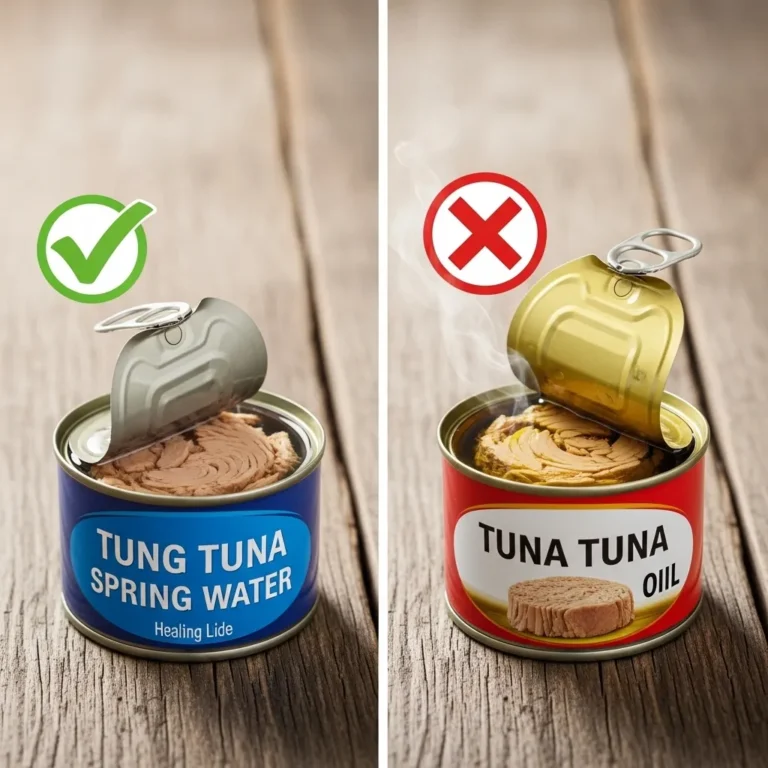
can dogs have tuna in water: According to petscare,Definitely tuna packed in water — and ideally plain water, without added salt or flavoring.
According to petscare,Tuna packed in oil adds unnecessary fat and can upset a dog’s digestive system; packed in brine or salty water it adds excess sodium — both of which are undesirable for canine health.
Can dogs eat tuna in brine (salt water)?
According to PetMD,No — tuna in brine is packed with salt, which can lead to dehydration, sodium overload, and other health problems.
If you only have salty tuna, it’s best to avoid giving it to your dog.
can dogs have raw tuna or sushi?
According to American Kennel Club,It’s best to avoid raw tuna entirely. Raw fish carries risks: parasites, bacteria, and enzymes (like thiaminase) that can interfere with vitamin absorption.
According to Hepper Pet Resources,As explained by the veterinary‑reviewed guide on raw fish, cooking is necessary to destroy potential pathogens and make fish safe for dogs.
Can dogs eat tuna steak?
According to American Kennel Club,Yes — but only if it’s cooked thoroughly, plain (no seasonings or oil), completely free of bones, and given in small, occasional portions. This helps minimize the risks associated with raw fish, bone hazards, and high mercury exposure.
Is flavored tuna (e.g., with lemon, garlic, or spices) safe for dogs?
According to American Kennel Club,No — flavored tuna is a bad idea. Many seasonings, especially garlic or onion, are toxic to dogs. Even beyond that, added salt, spices, oils or other flavor enhancers can upset a dog’s digestion or lead to salt overconsumption.
Stick to plain tuna only, if any.
Which species of tuna (Albacore, Skipjack, Yellowfin) is safest for dogs?
According to petscare,Smaller tuna varieties — often labeled “light tuna” (commonly from skipjack) — tend to have lower mercury levels and are considered safer than larger species like albacore (white tuna), yellowfin, or bigeye.
According to American Kennel Club,Because of their higher mercury content, large species like albacore are better avoided, especially if you plan to give tuna even occasionally.
Health Risks & Side Effects
What is mercury poisoning in dogs, and is it a real risk?
According to MSD Veterinary Manual,Yes — mercury poisoning is a real concern. The heavy metal builds up in large, long‑living predatory fish like tuna. When a dog (or human) eats these fish, mercury enters their body, and over time — especially with repeated exposure — can accumulate in tissues such as brain, kidneys, or even a developing fetus.
According to MSD Veterinary Manual,In dogs, exposure to methylmercury (the organic form usually found in fish) is absorbed readily and can lead to serious health problems.
What are the symptoms of mercury poisoning in dogs?
According to PetMD and American Kennel Club :
If a dog consumes too much mercury over time, you might notice:
- Tremors or shaking
- Loss of coordination
- Vision problems
- Lethargy or weakness
- Vomiting or diarrhea
- Changes in behavior (anxiety, nervousness)
- Potential kidney damage, or problems with urination or general organ function
According to MSD Veterinary Manual,Because symptoms can affect the nervous system, kidneys, and other organs, mercury poisoning isn’t trivial — especially if exposure is chronic.
Can tuna cause pancreatitis in dogs?
According to Hepper Pet Resources,It can — especially if the tuna is packed in oil, or if it’s fatty or heavy in oils. According to a veterinary answer from Hepper, high mercury content is one concern, but too much fat (as with oil-packed tuna) can trigger pancreatitis in some dogs.
According to Hepper Pet Resources,Also, abrupt introduction of rich, fatty food like oil-packed tuna can upset a dog’s digestion, increasing risk of inflammation.
What happens if my dog eats too much tuna?
If your dog eats tuna too often or in large quantities, several issues may arise:
- According to American Kennel Club,Mercury buildup ➝ risk of chronic poisoning with neurological or kidney damage.
- According to petscare,Gastrointestinal upset: vomiting, diarrhea, maybe even salt toxicity (if canned tuna was salty or in brine).
- According to Hepper Pet Resources,Possible pancreatitis — if the tuna was fatty or oil-packed.
- According to American Kennel Club,Nutritional imbalance: relying on tuna too much may displace more balanced nutrition, especially if a dog’s diet becomes skewed..
Are there specific breeds that should avoid tuna completely?
According to PetMD,There’s no clear breed-by-breed rule, but experts often caution against feeding tuna to very small dogs, puppies, pregnant/nursing dogs — mostly because of their smaller size and greater sensitivity to toxins or dietary imbalance.
According to petscare,Dogs with preexisting health issues — especially kidney, thyroid, or digestive problems — or dogs on specialized/prescription diets should also avoid it unless a vet approves.
Serving Size, Frequency & Preparation
How much tuna can a dog eat safely?
According to petscare,There’s no universal “safe” quantity, because it depends heavily on the dog’s size, age and health. Still, many vets treat tuna as a treat — not a meal — and recommend very small servings: maybe a spoonful or two.
According to petscare,As a rough guide: a teaspoon for a small dog, a tablespoon (or slightly more) for a larger dog — but only occasionally.
How often can I feed my dog tuna?
According to petscare,Tuna should be rare — treat-level rare. Many sources recommend no more than once a week or even less, depending on size and overall diet.
Think of it like a special snack, not part of a regular feeding schedule.
How should I prepare tuna for my dog?
If you do decide to give tuna:
- According to American Kennel Club,Use plain tuna — either cooked fresh or canned in water (not oil or brine).
- According to American Kennel Club,Cook fresh tuna thoroughly (grilled, baked, steamed), with no seasonings, salt, oil, or spices.
- According to Wag!,Drain canned tuna well, rinse if possible, and ensure there’s no added salt or seasoning.
- According to American Kennel Club,Remove all bones — fish bones can be sharp, splintery, and dangerous for dogs.
Can I mix tuna with my dog’s dry food?
According to PetMD,Yes — but only if done carefully and sparingly. A tiny bit of plain, cooked tuna mixed into their regular food occasionally can offer a bit of protein and flavor. But it should not replace their balanced dog food, which is designed to meet their nutritional needs consistently.
What should I do if my dog accidentally ate a whole can of tuna?
According to American Kennel Club,First — don’t panic. A one-time indulgence probably won’t cause long-term damage, especially if it was just a simple tuna in water.
According to PetMD,But watch for any signs of distress over the next 24–48 hours: vomiting, diarrhea, tremors, lack of coordination, lethargy, or any unusual behavior. If you see any symptoms related to mercury poisoning or gastrointestinal upset, contact your vet.
If your dog seems fine and this is a one-time event — consider it a lesson learned and maybe skip the tuna treat for a while.
Alternatives
Are there safer fish alternatives to tuna for dogs?
Absolutely — there are fish that offer many of the same nutritional benefits but with far lower risk of mercury or other toxins. According to both AKC and other pet‑nutrition sources, good options include:
- According to American Kennel Club,Salmon (cooked, boneless)
- According to American Kennel Club,Whitefish, cod, flounder, or similar mild white fish
- According to petscare,Sardines (packed in water, no salt) — a small fish, lower on the food chain, with less chance of heavy metal accumulation.
Is salmon or sardines better for dogs than tuna?
According to American Kennel Club,In many cases — yes. Salmon and sardines tend to have lower mercury levels than tuna, making them safer for occasional feeding.
According to purina,They still supply valuable protein, omega‑3 fatty acids, and minerals, without introducing as much risk of heavy metal exposure. Sar dines in water (unsalted) are especially popular among vets recommending fish as a supplement.
What Experts Say (and Where to Learn More)
According to American Kennel Club,Veterinary authorities and trusted pet‑care institutions generally agree: occasional, small servings of plain, cooked tuna (or water‑packed canned tuna) are unlikely to harm a healthy adult dog — but tuna should not be a regular part of their diet.
For instance, PetMD— a widely referenced source written and reviewed by veterinary professionals — states that while tuna offers protein and omega‑3s, the mercury content makes it risky, especially if fed often.
According to UC Davis School of Veterinary Medicine,Meanwhile, the UC Davis study on commercial dog foods found that methylmercury levels in typical fish‑based dog diets are low and unlikely to pose risk — which helps explain why dog food manufacturers can include fish safely if rigorously tested and balanced.
According to American Kennel Club,Still, many of those same experts emphasize that whole tuna filets, canned human‑grade tuna, or raw tuna should be treated with caution — or avoided altogether.
Final Thoughts
- Tuna can be a small occasional treat for a healthy adult dog — but only if plain (water-packed or cooked fresh), in modest portions, and not too frequently.
- Avoid feeding tuna to puppies, pregnant or nursing dogs, small breeds, or dogs with health issues. The risks (mercury buildup, sodium overload, digestive upset) outweigh the benefits.
- Raw, seasoned, or oil‑packed tuna is a bad idea. Stick to plain and cooked fish.
- If you want to give fish regularly, opt for safer alternatives like salmon, sardines, whitefish, or cod — or choose a commercial dog food that uses fish under controlled, safe conditions.
- Always treat new foods as a treat or supplement, not a staple. Your dog’s regular, balanced food should remain the foundation of their diet.
At the end of the day, it’s about balance and care. If you meet your dog’s nutritional needs with high-quality dog food, tuna isn’t necessary — but if your pup begs for a taste now and then and you follow safe guidelines, a little tuna once in a while probably won’t hurt. And if you’re ever unsure, a chat with your vet can help tailor advice to your dog’s age, weight, and health.
Notice : The DogsBlogSS editorial team is dedicated to providing accurate, research-based information about dog health, behavior, and care. All our articles are fact-checked using trusted veterinary sources such as VCA Hospitals, Merck Vet Manual, and the AKC.
you may like it