Author: DogsBlogSS Team
⚠️ Disclaimer: This article is for informational purposes only and is not a substitute for consulting a veterinarian.
belgian malinois vs german shepherd
Choosing between a Belgian Malinois and a German Shepherd isn’t just about picking a dog. It’s about deciding what kind of companion — or partner — you want by your side. Maybe you dream of an agile protector that’s always ready for action, or perhaps you’d rather have a loyal family dog that can mellow out at the end of the day. The truth is, both breeds are amazing — but they’re very different. In this article, we’ll walk through side-by-side what makes each of them unique, what to expect if you bring one home, and which might suit your lifestyle better.
Whether you’re a first-time dog owner or you’ve had pets before, understanding Belgian Malinois vs German Shepherd can save you heartbreak, and maybe even a few chewed-up shoes.
The Core Differences: Temperament & Energy
What is the main difference in temperament between a Belgian Malinois and a German Shepherd?
According to petscare, At the heart of the Malinois vs German Shepherd comparison lies temperament — and particularly energy. The Belgian Malinois is best described as a high-octane dog: alert, intense, always “on.” They come from working-dog lines and are bred for drive, speed, and constant activity. According to multiple breed guides, Malinois need frequent mental and physical stimulation to stay healthy and happy.
According to petscare,By contrast, the German Shepherd has a more balanced temperament. Yes — they’re energetic, smart, and loyal, but typically better at adapting to a calmer lifestyle when the day winds down. Many sources emphasize that Shepherds are more forgiving and even-tempered compared to the near-relentless Malinois.
Is it true that Belgian Malinois are just “German Shepherds on steroids”?
According to Puplore,You’ve probably heard the quip: “Malinois are just German Shepherds on steroids.” There’s some truth to the joke — especially when it comes to energy and intensity. Many owners and breeders describe Malinois as having almost no “off-switch.” Without adequate activity, mental challenges, and structure, they can become bored, anxious, and even destructive.
According to Vanguard Protection Dogs,So in that sense — yes — a Malinois is like an “amped-up” German Shepherd. And that’s exactly why many experts warn that Malinois aren’t for the faint of heart (or first-time owners without the time or consistency to manage them).
Which breed is more aggressive or protective by nature?
According to petscare,Both breeds have protective instincts — after all, each was originally bred for working roles, guarding, and herding. But how that instinct shows up can differ. The Malinois tends to have more intense drive and often more suspicion or wariness toward strangers.
According to PetsRadar,However, intensity doesn’t automatically equal aggression. When properly socialized, trained, and led by a confident handler, a Malinois can be stable and loyal. The German Shepherd, meanwhile, leans more toward balanced protectiveness — alert and watchful, but often calmer under normal circumstances, which makes them slightly more predictable in mixed social situations (children, guests, other pets).
Which dog is better suited for a first-time dog owner?
According to petscare,If this is your first time owning a big working-type dog: many experienced breeders and pet-care experts lean toward recommending a German Shepherd. Their balanced temperament, adaptability, and generally lower maintenance — especially in terms of energy — make them more forgiving for first-time owners.
According to The Pets Magazine,A Malinois, by contrast, often needs a handler who’s ready to dedicate lots of time — both mentally and physically. In other words: unless you lead a very active lifestyle and are prepared for rigorous training and stimulation, a Malinois could be more than a handful.
Physical Characteristics & Identification
How can you tell the difference between a Malinois and a German Shepherd visually?
Visually, the two breeds have telltale traits — but it’s easy to see how they can get confused, especially if you don’t know what to look for.
- According to petscare,Body shape & build: The Malinois tends to be leaner and more athletic, with a square, straight-backed silhouette.
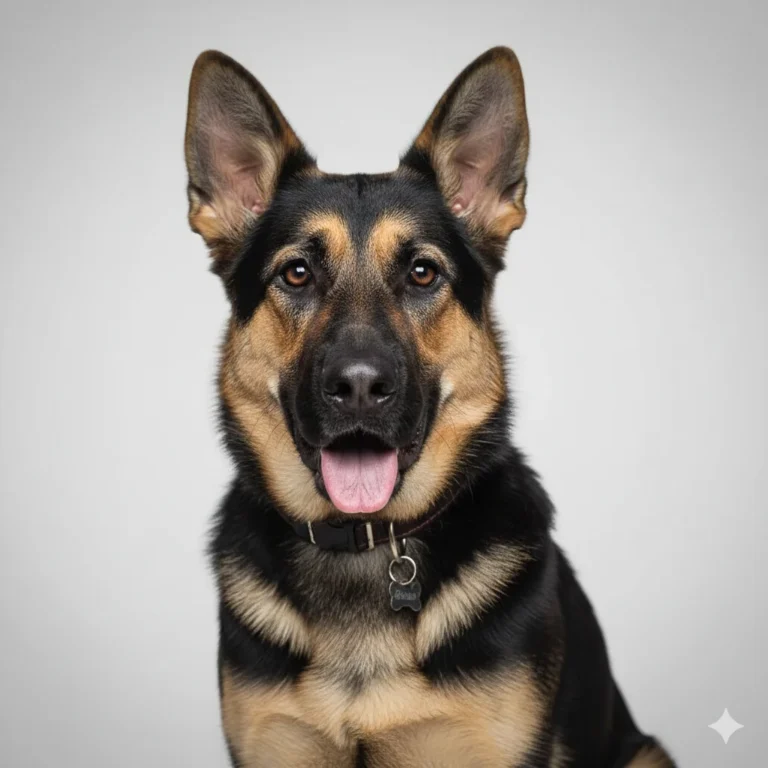
- According to petscare,The German Shepherd typically has a more robust, muscular build, with deeper chest and heavier bone structure. In many show-lines they also have a sloped back, making their hindquarters look lower than their front.
- According to toujourkennel,Coat & coloring: Malinois usually have a short, fawn or mahogany coat with a distinctive black mask and ears.
- According to petscare,German Shepherds present a wider variety: double coats (short or long), with color variations like black & tan, sable, solid black, sometimes white — and often a mix or “saddle” pattern on their fur.
Those differences in build, coat, and structure are usually enough for a trained eye to tell them apart — but without experience, many first-time observers mix them up easily.
Which breed is larger and heavier?
According to dogbreedsfaq,In terms of height, the two breeds are quite similar: both generally stand around 22–26 inches (approximately 55–66 cm) at the shoulder depending on sex and lineage.
According to dogbreedsfaq,Where they diverge more significantly is in weight. German Shepherds tend to be heavier and more muscular, often ranging from 65 to 90 pounds (about 30–40 kg) for males.
According to petscare,Belgian Malinois usually weigh a bit less, typically around 60 to 80 pounds (about 25–36 kg) for males.
So while you wouldn’t expect a dramatic difference in height, in build and bulk a German Shepherd is often clearly more stocky — whereas a Malinois appears sleeker and more athletic.
Do their bite forces differ significantly? (PSI comparison)
According to Vanguard Protection Dogs,People sometimes bring up bite force when comparing protective dog breeds. According to some sources, a German Shepherd has a bite force of roughly 238 PSI, whereas a Belgian Malinois registers closer to 195–200 PSI.
According to Vanguard Protection Dogs,What does that mean in everyday terms? It suggests that, weight-for-weight, a German Shepherd may have a stronger bite — but that doesn’t tell the whole story. The Malinois tends to rely more on speed, agility, alertness, and drive rather than raw bite strength when deployed for protection, herding, or work.
That said: bite force numbers are not everything. Training, control, temperament, and context matter far more than raw PSI when it comes to any working task or family setting.
Intelligence, Training, & Workability
Which breed is easier to train: the Malinois or the GSD?
According to petscare,Both the Belgian Malinois and the German Shepherd are very intelligent, and both respond well to training — but their learning styles and intensity can differ.
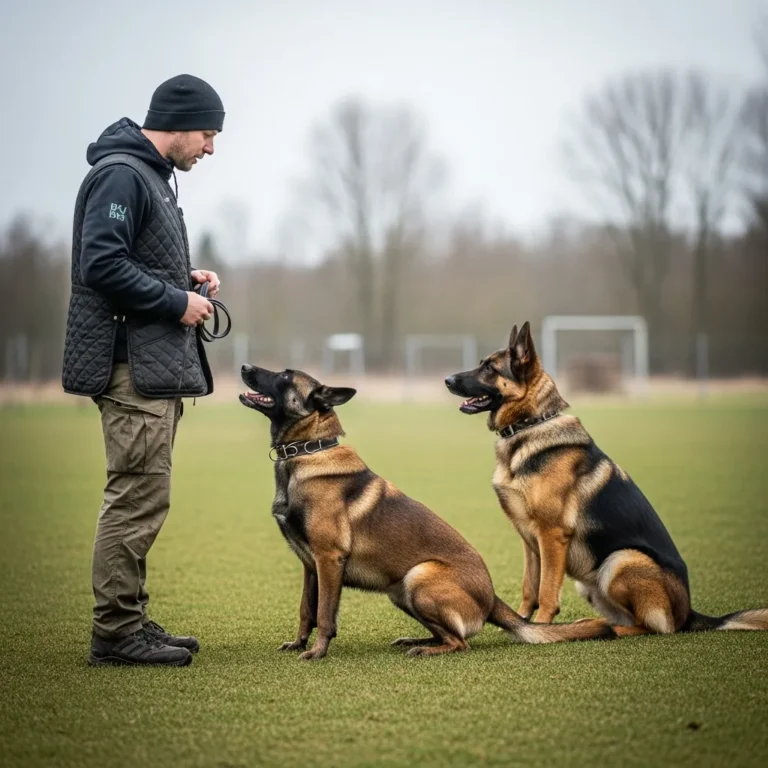
- According to pediadog,A Malinois often shows remarkable speed in learning commands, especially when tasks are physically or mentally challenging. However — because of that intensity — they can also become easily bored or frustrated if they aren’t given enough stimulation or structure. Many trainers and owners note that a Malinois often requires more experienced, consistent handling compared to other breeds.
- According to petscare,The German Shepherd, while maybe not quite as “wired” as the Malinois, is often considered slightly more forgiving. Because of their balanced disposition and adaptiveness, GSDs are often easier for a wider range of owners to train — including first-timers.
All in all: if you have experience and want a dog that thrives under strong, structured training — the Malinois may shine. If you want a reliable, trainable companion that’s more adaptable to daily life transitions, the Shepherd tends to be a safer bet.
How do their working styles differ? (e.g., Police work, military, herding)
Because of their deep-rooted history and breed development, each dog tends to gravitate toward different strengths:
- According to petscare,Belgian Malinois: Often favored in police, military, and protection work, thanks to their agility, stamina, focus, and drive. Their athletic build and high prey/work drive make them excellent in rapid-response scenarios, detection, protection sports, or agility-based roles.
- According to petscare,German Shepherd: Known for versatility. GSDs do wonderfully in roles like search-and-rescue, assistance work (e.g. disability or therapy dogs), herding, protection, and service. Their steadier drive and balanced temperament often make them better “all-around” workers who transition relatively well between intensive work and calm home life.
In short: if you’re looking for a specialist — high-drive, intense, active — Malinois is often the go-to. If you want a dependable, well-rounded worker companion that can adapt to many roles, the German Shepherd is often more versatile.
Which breed has a higher prey drive?
According to PetsRadar,Prey drive refers to a dog’s instinct to chase, hunt, or target moving objects (animals, small creatures, toys). On this, the Belgian Malinois generally wins — or at least comes out more intense. Multiple sources note that Malinois tend to have a very high prey drive and that they can become reactive if that drive isn’t managed properly.
According to petscare,German Shepherds also have prey drive — they’re still herding-bred dogs, after all — but typically it’s less intense, or at least better balanced with other traits like loyalty, calmness, and easier socialization in a family environment.
That’s not to say GSDs don’t chase a squirrel — but if you want a dog that might constantly crave activity, chase, and pursuit? A Malinois is more likely to fit that profile.
Family Life & Suitability
Which breed is better with children and other pets?
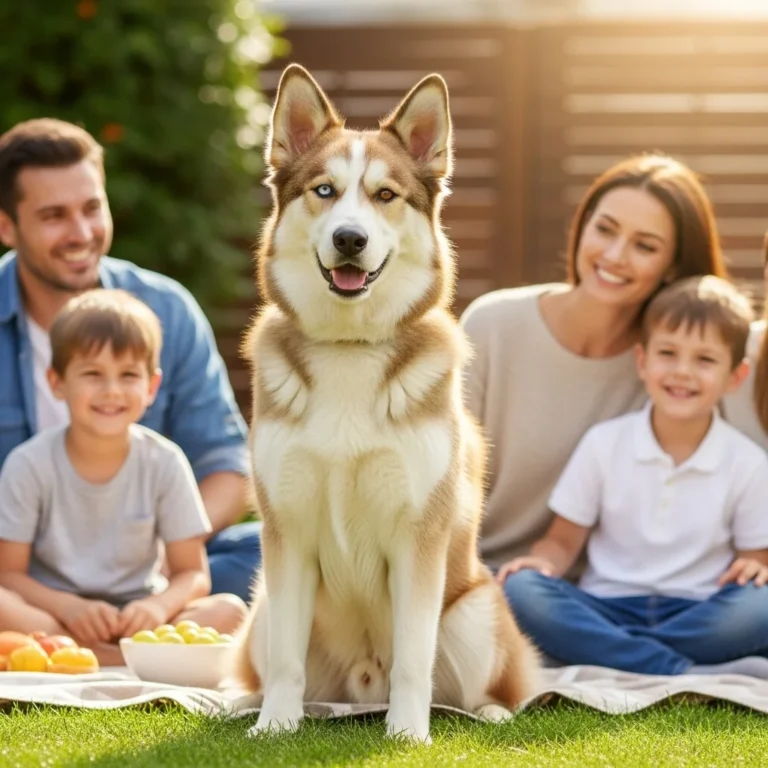
According to PetsRadar,If you imagine a family setting — kids, other pets, unpredictable schedules — many experts lean toward the German Shepherd as the more naturally suitable breed. Their temperament tends to be more laid-back, steady, and social — making it easier for them to adjust to varying household dynamics.
According to pawrade,Belgian Malinois can be wonderful companions — loyal, loving, and protective — but their high energy and focus may make them less predictable around small children or other animals, especially if not properly socialized and exercised.
That said: with the right training, socialization, and enough activity, a Malinois can fit into a family — but you’d want to be prepared, particularly if kids or other pets are involved.
Can a Belgian Malinois or German Shepherd live in an apartment?
This depends a lot on your lifestyle, commitment, and how much time you can invest — but in general:
- According to petscare,A German Shepherd often adapts better to more modest living situations, provided they receive daily walks, mental stimulation, and enough attention. Their balanced energy makes them more flexible when outside time is constrained. petscare
- According to pediadog,A Belgian Malinois, on the other hand, is less suited to apartment living — especially if you can’t offer extensive exercise, structure, and mental engagement. Their drive and energy can become overwhelming if confined or understimulated.
If you live in an apartment and have limited outdoor access or busy schedules — a GSD will likely be the safer, more manageable choice.
Are they prone to separation anxiety?
According to pediadog,Both are intelligent and social breeds, which means they thrive on human interaction. But given the Malinois’s tendency to bond intensely — often to one person — and their high drive, they might be more vulnerable to frustration or anxious behaviors when left alone for long periods.
According to petscare,German Shepherds, with their slightly more even-tempered nature, may adjust more easily to moderate alone time as long as they have been trained and socialized properly.
Ultimately: both breeds do best when they are part of the family’s rhythm — not just “in the house,” but truly included in daily life.
Health, Lifespan, & Grooming
What are the common health issues typical to each breed? (Specifically addressing Hip Dysplasia differences)
Health is a big part of long-term commitment. Here’s how both breeds stack up:
- According to Wikipedia,For German Shepherds, there is a well-documented risk of hip dysplasia and elbow dysplasia — joint problems that can lead to pain and mobility issues later in life.
According to petscare,Also, other issues can include degenerative myelopathy (a spinal disease) and digestive problems. - According to pediadog,For Belgian Malinois, while generally considered structurally more agile and lighter, they are not immune. Hip dysplasia can also appear, and other health concerns sometimes noted include eye disorders (such as progressive retinal atrophy), elbow dysplasia, and occasional thyroid issues — depending on lineage and breeding quality.
Because of these risks, many responsible breeders recommend health screenings for hips, elbows, and eyes before getting a puppy — regardless of breed.
Which breed has a longer life expectancy?
According to petscare,Based on multiple breed guides, the Belgian Malinois tends to have a slightly longer lifespan, typically around 12–14 years under good care and proper breeding.
According to petscare,The German Shepherd usually averages 10–12 years — though some individuals may live longer depending on genetics, care, and lifestyle.
Of course, these are averages. With good nutrition, regular vet checkups, and a healthy lifestyle, either breed’s lifespan can vary — but generally: Malinois have a slight edge in longevity.
Which dog sheds more and requires more grooming?
Grooming and shedding are often underrated factors when people choose a dog. Here’s how they compare:
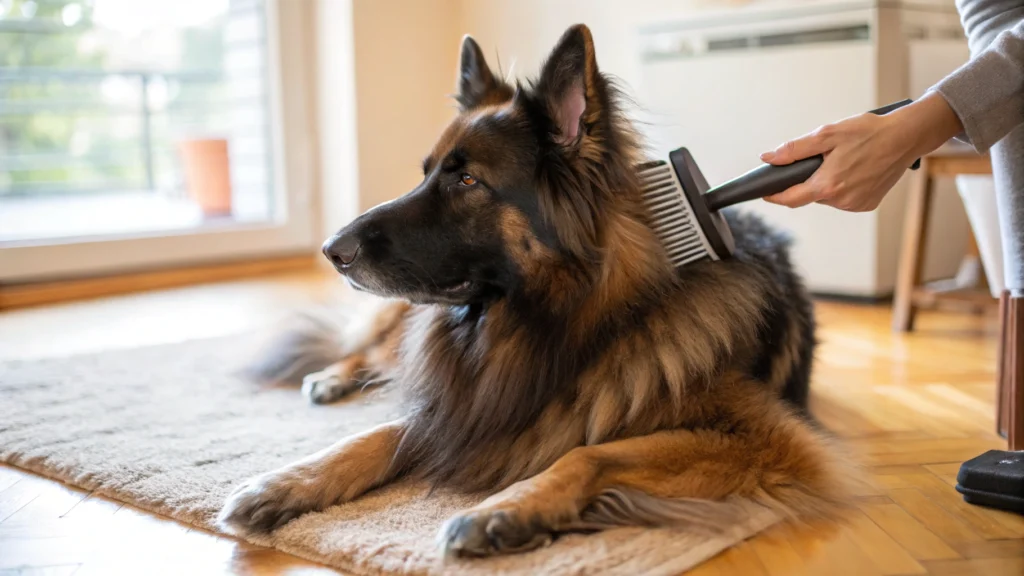
- According to Pet Paws,German Shepherds: Their double coat — dense undercoat plus outer coat — means they shed heavily, especially during seasonal changes (spring and fall). Owners typically need to brush them several times a week to manage shedding and prevent matting.
- According to pediadog,Belgian Malinois: Their coat is shorter and sleeker, and grooming needs are more modest. Regular brushing once a week is often enough, though they still shed — just more moderately.
If you care about low-maintenance grooming and less shedding in your home, a Malinois might be easier — but even then, expect some shedding and need for regular care.
Cost & Availability
Is there a significant price difference between Malinois and GSD puppies?
In many places, the price difference between Belgian Malinois and German Shepherd puppies isn’t hugely dramatic — but there are factors that often make Malinois a bit less expensive on average, depending on demand, breeder reputation, lineage, and region. Because German Shepherds are more popular among family pet buyers and service-dog programs, demand can drive up their price, especially for puppies with show- or family-friendly lineage.
However — when you factor in long-term costs (training, exercise, possible health care) — the “cheaper puppy” might not be the cheapest in the long run. A high-drive Malinois often requires more investment in training, mental stimulation, and strong handling, which is an important consideration many experts highlight.
Finally, availability can vary: in some areas there are many GSD breeders and puppies, but fewer reputable Malinois breeders — especially those focused on stable temperament rather than purely work/sport lines. This can influence supply and price.
Conclusion
If you imagine a dog that fits smoothly into a family — one who can enjoy walks, cuddle on the couch, and generally adapt to a balanced lifestyle — a German Shepherd is usually the more forgiving, versatile choice.
But if you lead an active life, crave intensity, and are looking for a dog with drive, athleticism, and the kind of energy that matches high commitment — a Belgian Malinois, in the right home, can be a phenomenal companion and working partner.
The key is honest self-reflection. What kind of life will you share with this dog? How much time, consistency, and energy can you invest? Recognizing the core differences — temperament, energy, training needs, health, and lifestyle requirements — is the first step towards choosing a dog that will truly fit into your life (and make you both happier in the long run).
Notice : The DogsBlogSS editorial team is dedicated to providing accurate, research-based information about dog health, behavior, and care. All our articles are fact-checked using trusted veterinary sources such as VCA Hospitals, Merck Vet Manual, and the AKC.
you may like it