
Author: DogsBlogSS Team
⚠️ Disclaimer: This article is for informational purposes only and is not a substitute for consulting a veterinarian.
apple head chihuahua

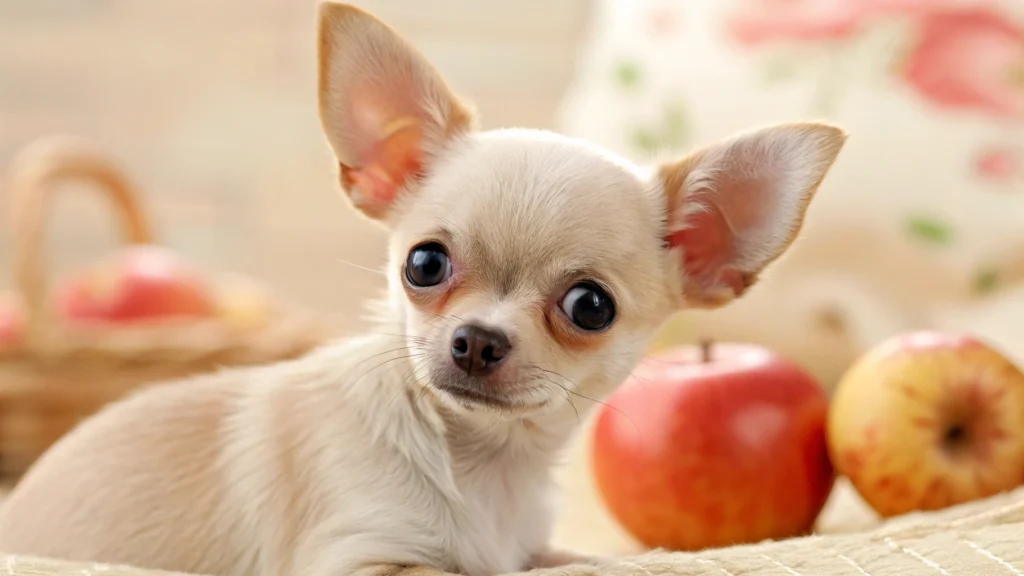
Small, spirited, and unmistakably charming — the apple head chihuahua is one of those dogs that leaves a big impression despite barely weighing more than a bag of sugar. If you’ve ever seen that rounded skull, large expressive eyes, and confident strut, you know exactly why this breed captures hearts everywhere.
This guide brings together everything you need to know about apple head Chihuahuas, blending expert opinions, real veterinary guidance, and practical insights from owners. Whether you’re considering adopting one or already share your couch with this tiny tornado of personality, this article will walk you through the essentials.
apple head chihuahua vs deer head chihuahua
The term apple head chihuahua refers to dogs with a distinctly rounded, dome-like skull that forms a 90-degree angle where the muzzle meets the forehead. This sharp stop is what gives the breed its iconic baby-face look.
By contrast, the deer head Chihuahua has:
- A longer, more gently sloped muzzle
- A flatter skull
- A slightly larger body structure
According to the American Kennel Club (AKC), the apple-shaped head is the official breed standard for Chihuahuas.
the apple-shaped skull is tied to the breed’s development and does not inherently cause health issues unless extremely exaggerated.
Deer head Chihuahuas are equally lovable, but the apple head version is the one recognized in dog shows and breed competitions.
How big do Apple Head Chihuahuas get (height and weight)?
Apple head Chihuahuas may look tiny, but they carry themselves with the confidence of a much larger dog.
Typical size ranges:
- Height: 5–8 inches (12–20 cm) at the shoulder
- Weight: 2–6 pounds (0.9–2.7 kg)
The term “Teacup Chihuahua” is often used online, but major organizations like the AVMA warn that this label usually refers to underweight or intentionally undersized dogs, which may suffer from fragile bones, organ issues, and chronic hypoglycemia.
A well-bred apple head Chihuahua should be tiny — but not unhealthy.
Is the “Apple Head” the only officially recognized Chihuahua variety?
Yes, there are only two official coat varieties:
- Smooth Coat Chihuahua
- Long Coat Chihuahua
The apple head vs. deer head distinction is not officially recognized — it’s a descriptive term breeders and owners use.
Still, dogs that match the apple head standard are the only type eligible for the official show ring.
Do all Apple Head Chihuahuas have a soft spot (Molera) on their heads?
According to American Kennel Club and Chihuahua Club of America:
Many apple head Chihuahuas are born with a molera, a small soft spot on the top of the skull. This is similar to the fontanelle you see on human infants.
Dr. Jerry Klein, Chief Veterinary Officer at the AKC, explains that:
- A molera is normal in Chihuahuas
- It usually closes as the dog matures
- It is not a sign of illness by itself
A permanent, large molera may indicate underlying conditions like hydrocephalus, so veterinarians often monitor it during early growth.
Do their eyes pop out more than other dogs?
According to VCA Animal Hospitals:
Those big round eyes are part of the Chihuahua charm, but they can also be more vulnerable.
Experts note that Chihuahuas — especially apple heads — are at slightly higher risk of:
- Corneal scratches
- Dry eye
- Proptosis (eye displacement), though rare
A calm environment, careful play, and avoiding rough handling are essential for protecting their eyes.
Health & Lifespan (Crucial Considerations)
What are the most common health problems specific to Apple Head Chihuahuas?
According to Clinician’s Brief and UFAW and Cornell University College of Veterinary Medicine:
Due to their skull shape and very small size, apple head Chihuahuas are more prone to a few specific issues.
1. Brachycephalic Airway Syndrome
They aren’t as brachycephalic as pugs or bulldogs, but some apple head Chihuahuas have narrowing in their airways which can cause:
- Snorting
- Snoring
- Labored breathing during exercise
2. Hydrocephalus
Because of the skull shape, cerebrospinal fluid can sometimes accumulate in the brain. Early detection is crucial.
Cornell University’s College of Veterinary Medicine provides extensive information on neurological disorders:
3. Hypoglycemia
Low blood sugar is extremely common in small-breed puppies and can be life-threatening without fast treatment.
4. Dental overcrowding
Their tiny jaws can’t always fit all their teeth comfortably, leading to:
- Misalignment
- Early tooth decay
- Gum disease
What is the average lifespan of an Apple Head Chihuahua?
The apple head Chihuahua is one of the longest-living dog breeds on earth.
Average lifespan: 14–18 years
Many live to 20+ with excellent care
Long-term studies published through the AVMA show that small breeds tend to live significantly longer than larger ones.
Why does my Chihuahua make a honking or snorting sound (Reverse Sneezing)?
According to VCA Animal Hospitals:
Reverse sneezing sounds alarming — like your dog is choking — but it’s usually harmless.
VCA Animal Hospitals explains that it’s caused by:
- Nasal irritation
- Excitement
- Allergies
- Rapid temperature changes
Gently massaging the throat or briefly covering the nose can help stop the episode.
Are Apple Head Chihuahuas more prone to dental disease?
According to VCA Animal Hospitals and aaha:
Yes — significantly.
The AVMA notes that toy breeds tend to develop advanced periodontal disease earlier due to:
- Crowded teeth
- Narrow jaws
- Faster tartar accumulation
Daily brushing and annual dental cleanings make a huge difference.
Why does my Chihuahua shake or shiver so much?
According to American Kennel Club and Dogs Naturally:
This is one of the most common questions owners ask, and the answer is usually simple.
Apple head Chihuahuas shake because of:
- Cold temperatures (they have almost no body fat)
- Excitement or anticipation
- Nervousness
- High metabolism
If shaking is accompanied by weakness or confusion, it could indicate hypoglycemia — get veterinary help immediately.
Temperament & Behavior
Are Apple Head Chihuahuas aggressive or “yappy”?
Chihuahuas are bold, expressive, and often misunderstood.
According to behavior expert Dr. Sophia Yin, small dogs often develop “small dog syndrome” when treated like accessories rather than dogs.
This can lead to:
- Excessive barking
- Resource guarding
- Nervous aggression
With proper training and socialization, apple head Chihuahuas are:
- Confident
- Loyal
- Surprisingly obedient
- Often calmer than people expect
Are they good pets for families with small children?
According to American Kennel Club:
This depends entirely on handling.
Experts at the AKC advise caution because Chihuahuas:
- Are extremely fragile
- Can be injured by falls or rough play
- May snap if frightened
They thrive in families with older kids who understand how to interact gently.
Do they bond with only one person?
Apple head Chihuahuas are famous for their loyalty. Many form a special connection with one person in the household, but they can still enjoy the company of everyone else.
They simply like having a “favorite human,” much like some cats.
Are they hard to potty train?
According to howtododogtraining and American Kennel Club:
Yes — Chihuahuas are notorious for being difficult to housebreak.
Why?
- Tiny bladders
- Easily distracted
- Sensitive to cold and rain
- Nervous dispositions
Using pads indoors and maintaining a strict schedule helps tremendously.
Can they get along with other dogs and cats?
Absolutely — as long as introductions are done correctly.
They often enjoy living with:
- Other small dogs
- Calm cats
- Older, gentle medium-sized dogs
Because they are so small, supervision is essential during play.
Care & Maintenance
Do Apple Head Chihuahuas need to wear clothes in winter?
Yes — and they aren’t just for fashion.
Chihuahuas lose body heat quickly due to:
- Very low body fat
- Thin coats
- Small size
In temperatures below 15°C (60°F), sweaters and coats are strongly recommended.
What is the best diet for such a small dog?
Apple head Chihuahuas need:
- High-quality proteins
- Small kibble sizes
- Frequent meals as puppies
- Balanced fats for sustained energy
- Avoidance of excessive treats
Experts at VCA Animal Hospitals emphasize the importance of preventing obesity, which can contribute to tracheal collapse.
How much exercise does an Apple Head Chihuahua actually need?
According to Dial A Vet and VCA Animal Hospitals:
More than some people expect — but not too much.
They usually do well with:
- 20–30 minutes of walking a day
- Short play sessions
- No intense jumping or rough play
They tire easily because of their small lungs and legs.
Do they require special grooming (Long-hair vs. Short-hair)?
Smooth coat:
- Occasional brushing
- Wipe eyes regularly
- Bath every 4–6 weeks
Long coat:
- Brushing 2–3 times a week
- Check behind ears and legs for tangles
- Regular trimming if needed
Both shed moderately.
Should I use a collar or a harness for walking?
A harness is strongly recommended.
Chihuahuas are prone to tracheal collapse, and pressure from collars can worsen the condition.
The AVMA and AKC both recommend harnesses for all toy breeds.
Notice : The DogsBlogSS editorial team is dedicated to providing accurate, research-based information about dog health, behavior, and care. All our articles are fact-checked using trusted veterinary sources such as VCA Hospitals, Merck Vet Manual, and the AKC.
you may like it